


Medically reviewed by Dr. Fian Dervis, Oral and Maxillofacial Surgeon
A dental implant pressure sensation is usually normal and fades within 3 to 7 days after surgery. It comes from swelling and healing around the implant, not from the implant failing.
Pressure that gets worse after the first week, a loose implant, pus or a fever are not normal. Contact your dentist if you notice any of these.
Normal Sensations After Dental Implants:-
Most sensations after an implant follow a clear timeline. This table shows what is normal and when it usually settles.
| Time after surgery | What you may feel | Is it normal? |
|---|---|---|
| Day 1 to 3 | Pressure, throbbing, swelling and tenderness | Yes, it peaks in this period |
| Day 4 to 7 | Mild pressure when you bite or touch the area | Yes, it should ease each day |
| Week 1 to 2 | Stitches pulling, slight tightness in the gum | Yes, stitches come out at 7 to 14 days |
| Month 1 to 6 | Little or no feeling while the implant fuses with bone | Yes |
| After the crown is fitted | Pressure or soreness when you bite for 1 to 3 days | Yes, unless it lasts longer |
Normal Sensations After Dental Implants:
Experiencing sensations around a dental implant is a common matter during the healing process. These sensations are usually part of the body’s normal response to the implant procedure. It is worth noting to differentiate between normal sensations and potential issues.
Pressure and Discomfort:
A feeling of mild pressure around the area of the implant is quite normal. This is often attributed to the initial healing process as the implant integrates with the jawbone. It may also be due to the presence of stitches or the temporary prosthesis. Some patients might also feel some discomfort or dental implant pressure sensation, but this is usually manageable with prescribed pain medication.
Tingling or Numbness:
Some patients say they have tingling or numbness at the area of the implant. This could happen as a result of nerves being close to the implant site. Most of the time, as the healing process continues, this sensation gradually subsides.
Warmth or Cold Sensations:
An implant has no nerve inside, so it cannot feel hot or cold like a natural tooth. If you feel temperature changes, they usually come from the healing gum or the teeth next to the implant, and they fade within a few weeks.
Explore the Best Dental Clinic In Turkey
Monitoring Your Sensations:-
While these sensations are normal, it’s important to inform your dentist of any major changes or if they persist for a long time. This allows for timely intervention if necessary.
Take into consideration that every patient’s healing process is unique, so what is normal for one person can differ for another. Regular check-ups with your dentist will monitor the progress and ensure a successful outcome.
Dental Implant Pressure Sensation:-
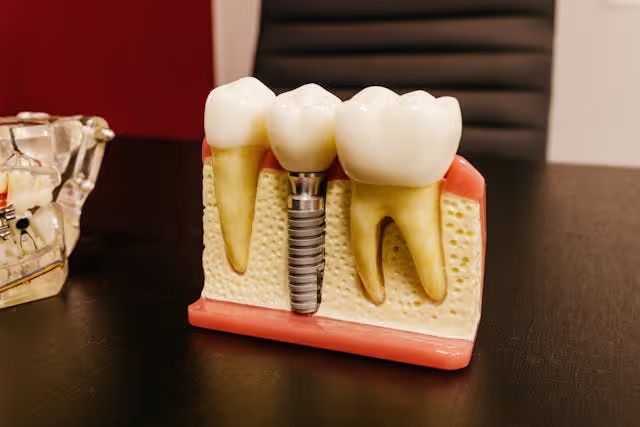
Pressure is the main thing you feel with an implant, because an implant has no periodontal ligament. A natural tooth sits in this cushion of fibres and nerves. An implant is fixed straight into bone, so you feel biting as pressure through the bone and gum instead.
A 2022 review found that implants are slightly less sensitive to touch than natural teeth, with about 2 times the threshold for feeling a bite. This is why an implant can feel “different” even when it is healthy.
If you feel discomfort for a long time, you should consult your dentist to examine the implant or make any necessary adjustments to ensure your comfort and the success of the implant.
Pressure Sensation: What to Expect:
If you feel a pressure sensation after getting dental implants, this is considered part of the healing process. It’s important to understand the reason for the sensation, duration, and when to seek professional advice to ensure a smooth recovery.
Causes of Pressure Sensation:
– Healing Process: During the initial stages, the body is actively healing around the area of the implant. This can lead to a feeling of pressure as tissues adjust and the implant integrates with the jawbone.
Prosthesis Placement: If a temporary prosthesis is attached to the implant, it may exert some pressure on the surrounding tissues. This is usually part of the adjustment process.
Crown fitted too high: If pressure starts right after your final crown is fitted, the crown may hit before your other teeth. Your dentist can check your bite with marking paper and adjust it in a few minutes.
Upper implants near the sinus: Pressure under the eye or near the cheekbone after an upper back implant can come from swelling near the sinus. If it comes with a blocked nose or a bad taste, see your dentist.
Surgical Techniques: The specific methods a dentist or oral surgeon uses can affect dental implant pressure sensation after surgery.
Duration and Timeline:
Pressure is strongest in the first 2 to 3 days after surgery and usually fades by day 7. Guy’s and St Thomas’ NHS says discomfort should only last up to a week. After a crown is fitted, mild pressure on biting usually settles within 1 to 3 days.
When to Consult Your Dentist:
Contact your dentist if pressure gets worse after day 3 instead of better. Also call if you notice any of these 6 signs:
1. Pressure or pain that lasts more than 7 days after surgery
2. Swelling that grows after day 3
3. Pus, a bad taste or a bad smell from the implant area
4. A fever
5. The implant or crown feels loose or moves
6. Numbness in the lip or chin that does not wear off after the anaesthetic
Diagnosis and Evaluation :
Your dentist will evaluate the pressure sensation through examination. He examines the area of the implant, surrounding tissue, and any prosthetic attachments. He also uses imaging techniques like X-rays to see a detailed view of the implant and detect any issues.
An X-ray shows whether the bone around the implant is healthy. If the cause is a high bite or a loose screw, the dentist can usually fix it in 1 short visit.
Management and Coping Strategies :-
Regular dental checkups are essential to managing dental implant pressure sensation. Comfort can be attained by following suggested oral hygiene procedures and using moderate pressure when chewing. Additionally, consulting with your dentist about any issues permits immediate action, guaranteeing the best possible healing and comfort. You can also follow the following instructions to alleviate any discomfort or pressure:
Follow these 5 steps in the first week to ease the pressure:
1. Take painkillers such as paracetamol or ibuprofen, if your dentist agrees, for the first 48 hours.
2. Hold an ice pack on your cheek for 10 minutes every hour for the first 6 hours.
3. Eat soft foods and chew on the other side.
4. Sleep with your head raised on an extra pillow for the first 2 nights.
5. Do not smoke, because smoking slows healing.
A pressure sensation after dental implant placement is usually a sign that the healing process is underway. By understanding what is normal, you can navigate the post-operative phase with confidence and ensure a successful outcome for your dental implant.
Patient Experiences and Testimonials:-
Patients usually describe implant pressure in a few common ways. Here is what each one often means.
| What patients say | Likely cause | What to do |
|---|---|---|
| “It just feels like pressure, not pain” | Normal healing or normal implant feel | Nothing, unless it gets worse |
| “I feel pressure on the temporary tooth” | The temporary tooth touches when you bite | Ask your dentist to check the bite |
| “There is no crown yet, but I feel pressure” | Swelling around the healing cap | Normal for up to 7 days |
| “The implant feels tight” | Gum healing around the cap, or a new crown pressing on neighbouring teeth | Usually settles in a few days |
| “I feel pressure behind my cheekbone” | Swelling near the sinus after an upper implant | See your dentist if it lasts over a week |
Preventing and Minimizing Pressure Sensation:-
While some level of dental implant pressure sensation is considered normal after the surgery, there are steps you can take to prevent and minimize it:
Follow Post-Operative Instructions:
You should adhere to the specific care instructions provided by your dentist or oral surgeon. This may include guidelines on oral hygiene, diet, and activity restrictions.
Avoid Aggressive Chewing:
You should take soft foods and avoid applying excessive pressure on the area of the implant, especially during the initial healing phase.
Maintain Good Oral Hygiene :
You should keep the area of the implant clean to promote proper healing and reduce any risk of complications that may lead to increased pressure sensations.
Regular Follow-Up Visits:
You should go to the scheduled appointments with your dental professional for routine check-ups. He can notice the healing process and address any issues immediately.
Communicate with Your Dentist:
If you experience prolonged or severe pressure sensations, or if they worsen over time, don’t hesitate to reach out to your dentist. They can examine your case and provide appropriate recommendations.
Remember, while some pressure sensation is expected, severe or persistent discomfort is not. Your dental team is there to support you through the healing process, so don’t hesitate to seek their guidance and expertise.
Why is there a sensation in my tooth implant?
Experiencing a dental implant pressure sensation in your tooth implant is not uncommon, and it is usually part of the normal healing process. This sensation can appear as a mild pressure or tingling feeling around the area of the implant. There are several reasons why you might feel this:
– Healing and Integration: During the initial stages after implant placement, the surrounding tissues are adapting to the implant. This can lead to a sensation that is often described as a slight pressure.
– Nerve Response: The nerves around the area of the implant may react to the surgical procedure. This is a normal physiological response and is usually temporary.
– Blood Flow and Circulation: The body’s natural healing process involves increased blood flow to the area. This can create a sensation of mild pressure as the tissues are nourished and heal.
– Inflammation: Following surgery, some degree of inflammation is expected. As a result, the area around the implant site may feel full or pressured.
However, it’s important to note that while some level of pressure sensation is normal, severe or prolonged discomfort is not. If you experience intense pain, swelling, or any other concerning symptoms, it’s crucial to contact your dentist or oral surgeon immediately to examine your case and provide appropriate guidance and treatment if necessary.
Why does my dental implant hurt with pressure?
Experiencing discomfort or pain when pressure is applied to a dental implant can be concerning. This sensation, often referred to as dental implant pressure sensation, may have various causes:
– Inflammation: If the tissues around the area of the implant are inflamed, applying pressure can exacerbate the discomfort. Inflammation can occur due to various reasons, including surgical trauma or infection.
– Osseointegration Process: The implant fuses with the jawbone during osseointegration. When pressure is applied, this process occasionally causes mild sensitivity or discomfort.
– Nerve Sensitivity: Nerves in the surrounding area may be sensitive due to the surgical procedure. When pressure is applied, this sensitivity may cause pain or discomfort.
– Misaligned Bite: If the implant crown is not properly aligned with your natural teeth, it can cause an uneven distribution of pressure when you bite down. This can result in discomfort.
– Surgical Complications: In rare cases, there may be complications from the surgery itself, such as improper placement or issues with the implant.
If you’re experiencing persistent or severe pain with pressure on your dental implant, it is an urgent matter to contact your dentist or oral surgeon.
Dental implant pressure sensation is normal for 3 to 7 days after surgery, and for 1 to 3 days after a new crown. Pressure that grows, a loose implant, pus or fever need a check.
If you had your implant at Mavidenta, send a photo and describe what you feel on WhatsApp. Our team will tell you whether you need an X-ray or a bite check. If you are still planning treatment, read about same-day dental implants in Turkey.
FAQs
How long will the pressure sensation last after getting a dental implant?
Pressure usually lasts 3 to 7 days after surgery, and is strongest in the first 2 to 3 days. If it lasts longer or gets worse, see your dentist.
Can I do anything at home to alleviate the pressure sensation around my dental implant?
Maintaining good oral hygiene practices and following your dentist’s post-operative instructions can promote healing and reduce discomfort.
When should I be concerned about the pressure sensation around my dental implant?
Be concerned if pressure gets worse after day 3, lasts over a week, or comes with pus, fever or a loose implant. These need a check the same week.
Is it normal to feel pressure after a dental implant crown is fitted?
Yes, for 1 to 3 days. If pressure on biting lasts longer, the crown may be too high, and your dentist can adjust it quickly.
Why does my implant feel like pressure and not like a real tooth?
An implant has no ligament around it, so you feel biting through the bone as pressure. Implants are slightly less sensitive to touch than natural teeth.
Can an upper dental implant cause pressure in my cheek or sinus?
Yes, swelling after an upper back implant can cause pressure near the cheekbone for a few days. A blocked nose or a bad taste needs a check.
Can I feel pressure from an implant years later?
Not normally. New pressure years later can mean a loose screw, gum inflammation around the implant or a grinding habit, so book a check-up.