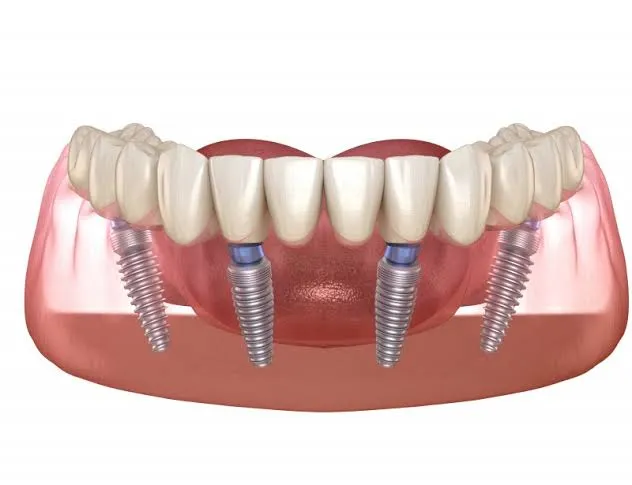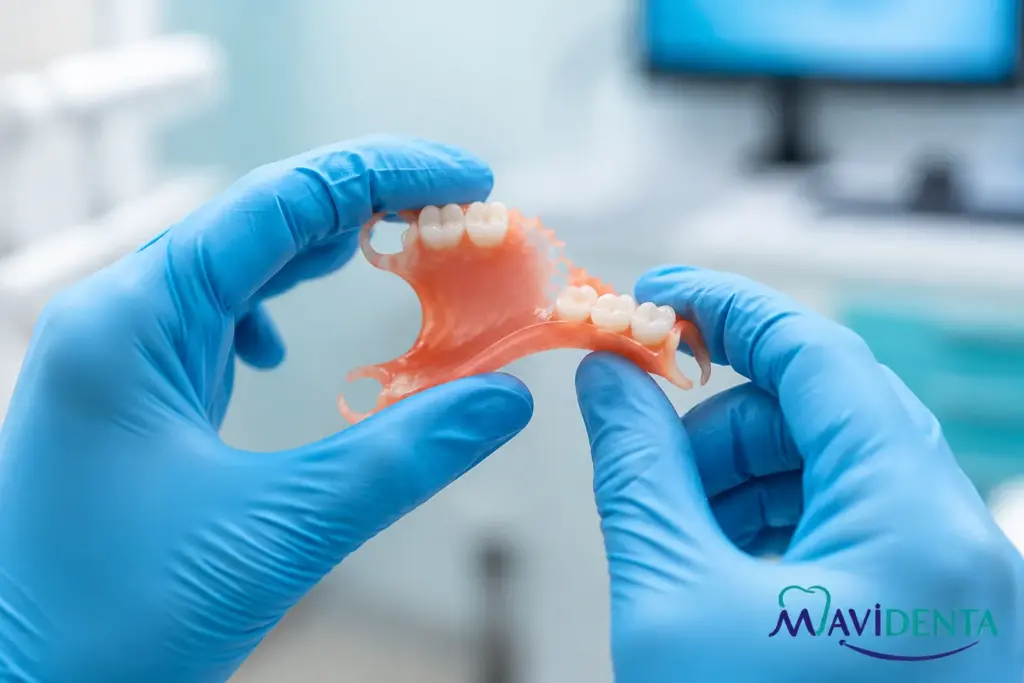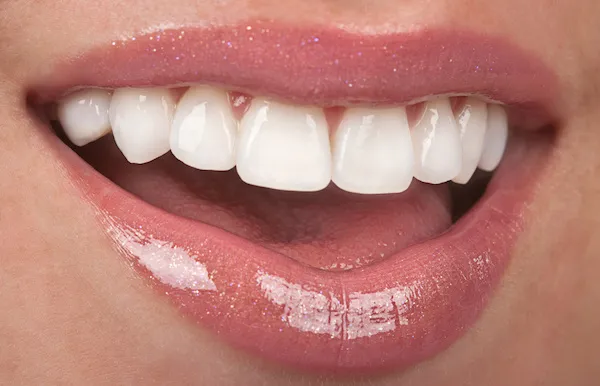


A temporary crown protects a prepared tooth while the final restoration is being designed and manufactured. A temporary crown is usually made from acrylic, resin, or composite material and is attached with temporary cement. A permanent crown is custom-made from materials such as zirconia, porcelain, ceramic, or metal and is designed for long-term strength, fit, and appearance.
We have found that patients who understand the role of temporary crowns vs permanent crowns are much more comfortable during their stay in Turkey. We view the temporary phase as a blueprint. It allows Dr. Necat Aslan, our PhD specialist in Prosthodontics with 20 years of experience, to evaluate your bite and speech before the final zirconia or E-Max crowns are laboratory-crafted.
At Mavidenta Dental Clinic in Istanbul, we use temporary restorations as a critical “test drive” for your new smile. Whether you are visiting us for a single tooth or a full Hollywood Smile, the transition from temporary to permanent is where the science of prosthodontics meets aesthetic artistry. If you are ready to discuss your treatment, start your free consultation with our specialists via WhatsApp.
Temporary Crowns vs Permanent Crowns at a Glance
Before we dive into details, here’s a quick overview of temporary crowns vs permanent crowns:
| Factor | Temporary Crown | Permanent Crown |
|---|---|---|
| Purpose | Short-term protection | Long-term restoration |
| Material | Acrylic, resin, or PMMA | Zirconia, E-Max, Porcelain |
| Manufacturing | Chairside or prefabricated | Custom Lab or CAD/CAM |
| Cement | Temporary (easy to remove) | Permanent (high-bond) |
| Strength | Lower (prone to wear) | Higher (structural) |
| Appearance | Basic / Monochromatic | Custom shade and translucency |
| Typical Use | 7–14 days (up to 6 months for implants) | 15–20+ years with care |
What Is a Temporary Dental Crown?
A temporary dental crown is a short-term restoration used to shield a tooth that has been “prepped” (reshaped) to receive a final crown. When we remove a layer of enamel, the underlying dentin, which contains microscopic tubules leading to the nerve, is exposed.
The temporary crown serves several vital functions:
- Sensitivity Prevention: It seals the tooth against thermal changes (hot and cold).
- Space Maintenance: It prevents adjacent teeth from shifting or the opposing tooth from “over-erupting” into the gap.
- Gum Health: It guides the healing of the gingival tissue around the tooth margin.
- Function: It allows you to chew and speak with confidence while waiting for the final result.
What Is a Permanent Dental Crown?
A permanent dental crown is a bespoke restoration designed to become a functional part of your anatomy. At Mavidenta, these are milled using high-precision CAD/CAM technology or handcrafted by master technicians.
These crowns are designed to withstand the massive forces of mastication (chewing). We use biocompatible materials like Zirconia or E-Max (lithium disilicate) that mimic the light-reflecting properties of natural enamel. Once Dr. Necat Aslan or Dr. Özlem Yalçın cements a permanent crown, it is intended to remain in place for decades.
Why Do You Need a Temporary Crown First?
Many patients ask why they cannot have their permanent teeth immediately. While “Same Day Teeth” technology exists, the traditional “temporary-to-permanent” workflow remains the gold standard for high-end cosmetic dentistry. This procedure offers a few advantages, including:
- Laboratory Precision: Quality takes time. Our lab technicians need 3 to 5 days to layer porcelain or mill Zirconia to achieve the perfect marginal fit.
- Bite Assessment: We monitor how your jaw settles with the new tooth shapes.
- Soft Tissue Maturation: Especially in implant cases, we use a temporary crown to “train” the gum tissue to grow into a natural aesthetic shape.
- The “Trial Smile”: If you are having a full-mouth restoration, the temporary crowns allow you to check the length and shape of your new teeth in the mirror before we commit to the final ceramic.
Key Differences Between Temporary and Permanent Crowns
Materials
Temporary crowns are made from acrylic or bis-acryl resins. They are porous and can stain over time. Permanent crowns use medical-grade Zirconia, lithium disilicate (E-Max), or porcelain-fused-to-metal (PFM).
Strength and Durability
A temporary crown is brittle. It is designed to be removed easily by a dentist. A permanent crown is built to last. According to a study in the Journal of Prosthetic Dentistry (2021), modern monolithic Zirconia crowns have a fracture toughness exceeding 1,000 MPa, making them nearly indestructible under normal use.
Fit and Comfort
A temporary crown is “close enough.” It may feel slightly bulky or rough to the tongue. A permanent crown is polished to a high shine and fits the tooth margin with micron-level accuracy, preventing bacteria from leaking underneath.
Comparison: Cost in the UK vs Turkey (Mavidenta)
One of the main reasons patients travel from Manchester, London, or Dublin to Mavidenta is the significant price gap without sacrificing material quality. Here’s how the price compares in Turkey vs. the UK:
| Treatment Type | Average UK Price | Mavidenta (Turkey) Price |
|---|---|---|
| Single Zirconia Crown | £800 – £1,200 | £200 – £280 |
| Single E-Max Crown | £900 – £1,300 | £250 – £320 |
| Full Smile (20 Crowns) | £16,000 – £24,000 | £4,000 – £5,500 |
Prices include all consultations, temporary crowns, and local transfers.
What Are Permanent Crowns Made From?
Zirconia Crowns
At Mavidenta, we use Swiss and German Zirconia. It is the strongest material available, ideal for molars where chewing pressure is highest.
E-Max (Lithium Disilicate) Crowns
These are the gold standard for front teeth. Dr. Özlem Yalçın, our aesthetic specialist with 15+ years of experience, often recommends E-Max for its superior translucency and “lifelike” appearance.
Porcelain-Fused-to-Metal (PFM)
A traditional choice where a metal substructure provides strength, covered by a porcelain layer. We rarely use these for front teeth now due to the “dark line” that can appear at the gum line over time.
Can You Eat Normally with a Temporary Crown?
While wearing your temporaries at our clinic or back home, you must be cautious. The cement is designed to be weak so we can pop the crown off during your final fitting.
Foods to choose:
- Soft pasta, rice, and cooked vegetables.
- Eggs, fish, and yoghurt.
- Soft bread (without hard crusts).
Foods to avoid:
- Sticky: Chewing gum, caramel, or toffee (these will pull the crown off).
- Hard: Ice, nuts, or hard crusty baguettes.
- Tough: Steak or chewy meats.
Is it safe to get crowns in Turkey?
Safety is our priority at Mavidenta. Our 7,000 square-meter facility follows strict international sterilization protocols. We only use internationally recognised brands like Straumann and Nobel Biocare.
With a 97.8% implant success rate and a lifetime guarantee on implant screws, we provide a level of security that many UK high-street practices cannot match. Our surgeons, including Dr. Ahmet Yıldız (Oral and Maxillofacial Surgeon), handle complex cases that require bone grafting or sinus lifts daily.
From First Message to Final Smile: A Mavidenta Patient Story
Joseph, a 48-year-old assistant from Edinburgh, contacted us after years of hiding his smile due to failing old fillings and discoloured enamel. His contact started with a simple WhatsApp message containing a few photos of his teeth.
After a virtual assessment with our team, Joseph arrived in Istanbul. On his first day, he met Dr. Necat Aslan. During the assessment, Joseph expressed a common fear: “I don’t want to look like I have ‘fake’ white teeth, and I’m worried the temporary ones will fall out before I get home.”
Dr. Aslan spent an hour explaining the “Golden Proportion” in smile design. We prepared his teeth and fitted high-quality PMMA temporary crowns that same afternoon. Joseph spent the next four days exploring the Sultanahmet district, eating soft Turkish Meze, and gaining confidence with his provisional smile.
There was a moment of doubt on day three; Joseph felt the temporaries were a bit “thick.” We took this feedback directly to our in-house lab. When Joseph returned for the final fitting, Dr. Aslan had thinned the Zirconia margins based on Joseph’s feedback.
As the final crowns were bonded, Joseph looked in the mirror and said: “For the first time in twenty years, I don’t feel like I’m wearing a mask. They feel like my own teeth, only better.” He returned to Edinburgh with a 20-year warranty and a new sense of self.
How Is a Permanent Crown Fitted?
The final appointment is the most exciting one. It goes as follows:
- Removal: We gently remove the temporary crown.
- Cleaning: The tooth is cleaned of all temporary cement.
- Trial Fitting: We place the permanent crown without cement. We check the “margins” (where the tooth meets the gum) and the “contacts” (how it touches neighbouring teeth).
- Bite Check: Dr. Necat Aslan will ask you to bite on articulating paper to ensure the crown isn’t “high.”
- Patient Approval: You check the colour and shape in natural light.
- Cementation: Once you are 100% happy, we use a high-strength permanent bonding agent.
Temporary and Permanent Crowns at Mavidenta
At Mavidenta, we don’t just “fix teeth.” We manage a clinical process that has served over 15,000 patients from 47 countries. Our international patient coordinators handle everything from your VIP airport pickup to hotel bookings.
If you are worried about the “temporary” phase, rest assured our temporary materials are high-grade PMMA, designed to look excellent and stay secure. We provide a 24/7 WhatsApp emergency line for all our international patients, ensuring you are never alone during your treatment.
Click here to book your free online consultation with our specialist team.
Conclusion
Understanding the distinction between temporary crowns vs permanent crowns helps patients understand that the temporary ones are not a placeholder. It is a diagnostic tool, a bite assessment, a gum-shaping device, and a preview of your final result, all at once.
The temporary phase is your opportunity to direct the outcome before it becomes permanent. Use it. Ask questions, check the shape in natural light, and tell us if something feels off. That is exactly what it is designed for.
When you are ready to begin, send your photographs or X-rays to our team via WhatsApp at +905534843641 for a free specialist consultation and a fixed-price treatment plan.
FAQs
Can I brush a temporary crown?
Yes, you should brush it as usual to keep your gums healthy. However, when flossing, do not pull the floss “up” between the teeth. Instead, slide it out sideways to avoid catching the edge of the temporary crown and pulling it off.
Can a temporary crown be used permanently?
No. The acrylic material is porous and will eventually absorb bacteria, leading to decay underneath. Furthermore, the temporary cement will wash out, leaving the tooth vulnerable to fracture. It is purely a provisional solution.
Why does my temporary crown feel bulky?
Temporary crowns are often slightly thicker than permanent ones because the material (acrylic) is weaker. It needs extra thickness to prevent snapping. Your permanent Zirconia crown will be much sleeker and feel more natural.
What happens if I swallow a temporary crown?
In most cases, it will pass through your system naturally without harm, as they are small and smooth. However, you must contact us immediately so we can arrange a replacement to protect the underlying tooth.
How soon can I eat after a permanent crown is fitted?
We recommend waiting about 1–2 hours for the permanent resin cement to fully polymerize (set). After that, you can return to a normal diet, though we suggest starting with softer foods for the first 24 hours as your gums may be slightly tender.
Ready to start your smile transformation? Contact Dr. Mavidenta Specialist and our team today. WhatsApp: +90 553 484 36 41 Location: Istanbul, Turkey