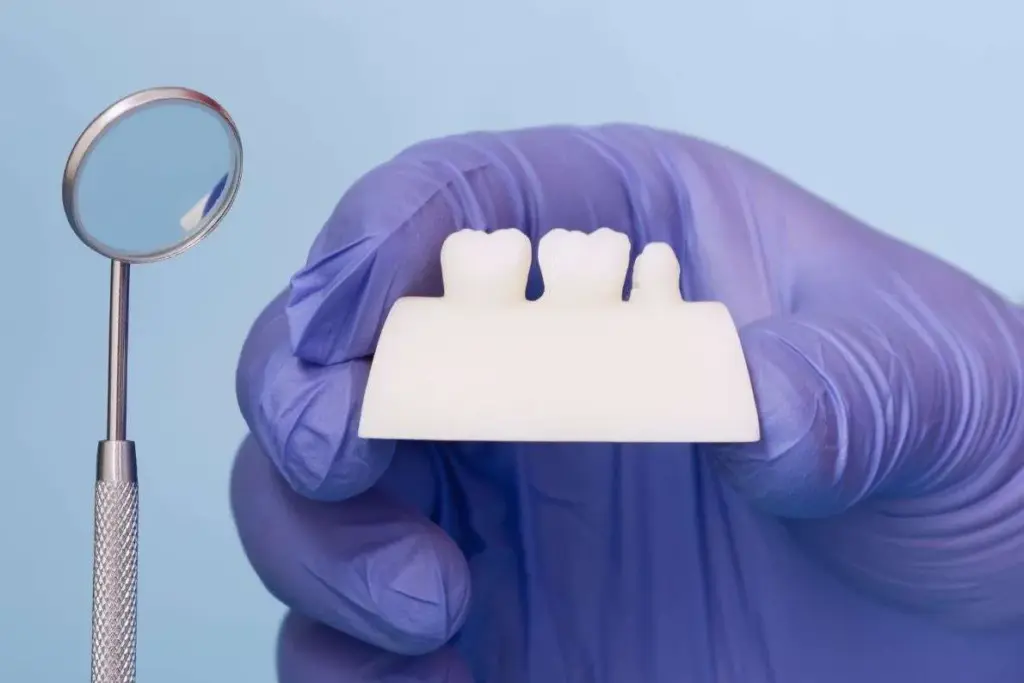


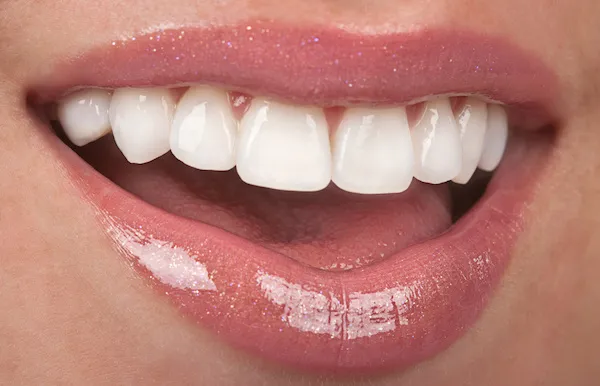
Composite resin for teeth is a versatile, tooth-coloured material used to repair decay, close gaps, and mask imperfections. We have found it to be one of the most effective tools for “micro-dentistry”, improving a smile while keeping the natural tooth structure intact. Unlike traditional silver amalgams or bulky crowns, dental resin mimics the light-reflecting properties of your natural enamel.
At Mavidenta Dental Clinic in Istanbul, our restorative team, including Dr. Necat Aslan (DDS, PhD, 20 years’ experience), utilises high-grade Swiss and German nanohybrid resins to ensure these repairs are both durable and virtually invisible. If you are dealing with a chipped edge or a small gap, you can get a free digital assessment via WhatsApp.
What Is Composite Dental Resin?
Essentially, dental resin is a mixture of plastic and glass. It is designed to be pliable when first applied and rock-hard once treated with a specific wavelength of light.
Read more about [composite Bonding Turkey Price Best Option for Your Smile] before choosing the right option.
What Is Dental Resin Made Of?
According to the American Dental Association (ADA), composite resins consist of:
- Organic resin matrix: The “base” that holds everything together.
- Inorganic fillers: Microscopic glass or ceramic particles that provide strength and wear resistance.
- Coupling agent: A chemical that bonds the filler to the resin.
- Photoinitiator: A component that reacts to blue curing light to harden the material.
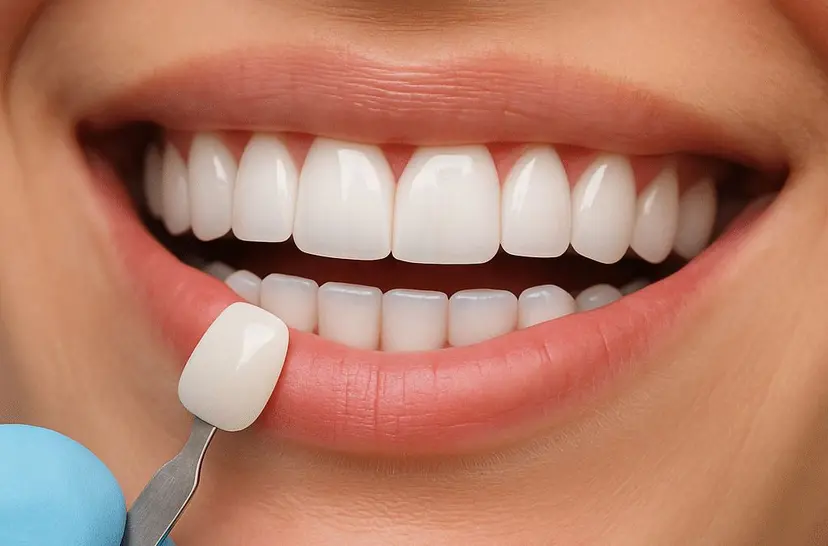
- Pigments: Added in various shades to match the exact “VITA” shade of your natural teeth.
How Does Dental Resin Bond to a Tooth?
We don’t just “glue” the resin on. It involves a precise chemical process:
- Etching: A mild acidic gel creates microscopic pores in the enamel.
- Adhesive: A liquid bonding agent flows into these pores.
- Curing: A blue light sets the adhesive, creating a “mechanical lock.”
- Layering: Apply the resin in thin increments to prevent shrinkage and ensure a deep bond.
What Is Dental Resin Used For?
While many patients ask specifically for “bonding,” composite resin for teeth is actually the material used for several different treatments.
Composite Resin Fillings
Commonly known as “white fillings,” these are used for small to moderate cavities. Because they bond directly to the tooth, we often don’t need to remove as much healthy tooth structure as we would for a silver filling.
Cosmetic Dental Bonding
This is the “artistic” application of resin. We use it to close small gaps (diastemas), fix uneven edges, or reshape a tooth that looks slightly out of place. It is a conservative way to achieve a Hollywood Smile transformation without the commitment of porcelain.
Composite Veneers
Unlike porcelain veneers made in a lab, composite veneers are hand-sculpted directly onto the tooth. While they are more affordable, they require a high level of skill from the dentist to look natural.
Repairing Chipped or Worn Teeth
For patients who grind their teeth (bruxism), the edges often become thin and transparent. We use “packable” resins to rebuild these edges and restore the tooth’s original height.
For the treatment pathway, see our guide to [dental veneers in Turkey].
Are All Dental Resins the Same?
No. In our 7,000 square-meter facility at Mavidenta, we stock different types of resin for different tasks:
- Flowable Resin: Low viscosity, used for tiny crevices or as a base layer.
- Nanohybrid Resin: Contains nanosized particles. Our doctors prefer these for front teeth because they polish to a high gloss and look very much like natural enamel.
- Bulk-Fill Resin: Designed for back teeth (molars) where we need to fill a large space quickly and ensure strength under heavy chewing forces.
- Fibre-Reinforced Composite: A 2025 systematic review suggests these are showing promise for high-stress areas, though traditional resins remain the gold standard for most cases.
Advantages and Disadvantages of Dental Resin
Here are the advantages and disadvantages of composite resin for teeth, so you can make your decision clearly:
| Advantages | Disadvantages |
|---|---|
| Matches natural tooth colour perfectly | Can stain over time (coffee, tobacco) |
| Requires minimal tooth “drilling” | Not as strong as porcelain |
| Usually completed in a single visit | Average lifespan of 5–7 years |
| Easily repaired if it chips | Highly dependent on the dentist’s skill |
The FDA notes that composite resin provides a conservative treatment option by preserving more of the healthy tooth than crowns.
How Much Does Composite Dental Resin Cost?
The cost of dental resin treatment depends entirely on the volume of material used and the complexity of the shaping required. It also changes significantly based on the location of the treatment. Here’s the cost difference:
| Treatment | Typical UK Private Cost | Mavidenta Turkey (2024/25) |
|---|---|---|
| Small Composite Filling | £150 – £250 | £50 – £80 |
| Composite Bonding (per tooth) | £250 – £500 | £100 – £150 |
| Composite Veneer (per tooth) | £400 – £700 | £130 – £180 |
| Re-polishing / Minor Repair | £100+ | Included in treatment |
UK prices based on Bupa Dental Care and private clinic averages.
Is it safe?
Composite resin is considered very safe. While some older resins contained trace amounts of BPA, modern high-end materials like those from Straumann or Medigma used at Mavidenta are highly biocompatible. Some patients with extreme chemical sensitivities should inform us beforehand, but for 99% of our 15,000+ patients, there are no adverse reactions.
From First Message to Final Smile: A Mavidenta Patient Story
Ivy, a secondary school teacher from Manchester, had spent years hiding her smile. She had a prominent gap between her front teeth and several “jagged” edges from a childhood cycling accident. She was quoted over £4,000 for a full set of veneers in the UK, which was outside her budget.
The Contact: Ivy sent us three clear photos of her teeth via WhatsApp. Our cosmetic specialist, Dr. Özlem Yalçın (15+ years’ experience), reviewed them and suggested that instead of aggressive porcelain veneers, she was a perfect candidate for composite resin bonding.
The Arrival: Ivy arrived in Istanbul on a Thursday evening. She was met at the airport by our VIP transfer team and taken to her hotel near the clinic.
The Treatment: On Friday morning, Ivy met Dr. Yalçın. She was initially worried that the resin would look “fake” or “bulky.” Dr. Yalçın performed a “mock-up” using a temporary material to show her the shape before starting. Once Ivy was happy, she spent three hours meticulously layering nanohybrid resin. No anaesthetic was even required.
The Result: “I kept touching the back of my teeth with my tongue, expecting to feel a ridge, but it was perfectly smooth,” Ivy told us during her final check-up. “I didn’t think my own teeth could look this straight without braces.” She returned to Manchester on Sunday, having spent less than £1,200 total, including her flights.
You can compare the next steps in our [best Veneers in Turkey] guide.
Composite Resin vs. Porcelain
Many of our patients ask us about the difference between composite resin and porcelain; here’s a quick comparison to show you the difference:
| Factor | Composite Resin | Porcelain |
|---|---|---|
| Durability | 5–7 years | 10–15+ years |
| Stain Resistance | Moderate | High (Highly resistant) |
| Reversibility | Often reversible | Usually permanent |
| Repair | Easy to patch | Usually requires replacement |
If you are looking for a longer-lasting solution, you might want to compare porcelain veneers vs composite bonding.
Conclusion
Composite resin for teeth occupies a unique and often underappreciated position in cosmetic dentistry. It is not the most durable material available, and it will not outlast a well-placed porcelain veneer. But for patients with minor chips, small gaps, uneven edges, or a budget that makes full veneers impractical, it delivers something genuinely valuable: a natural-looking, tooth-preserving result completed in a single appointment, without permanently altering the underlying tooth structure.
If you are unsure which material suits your specific case, send your photographs to our clinical team via WhatsApp at +905534843641. Dr. Özlem Yalçın will review your smile and recommend the most conservative solution that achieves the result you are looking for.
FAQ
What is dental resin used for?
It is used to fill cavities, repair chips, close gaps between teeth, and cover discolouration. It is also used to build up worn-down teeth caused by grinding.
How long does composite resin last on teeth?
Typically 5 to 7 years. However, this depends on your habits. At Mavidenta, we see patients whose resin treatments last over 10 years with good hygiene and regular polishing.
Does dental resin stain?
Yes. Unlike porcelain, resin is slightly porous. It can pick up stains from coffee, red wine, and smoking. We recommend a professional polish every 6–12 months to keep it bright.
Can composite resin fix a chipped tooth?
Yes, this is one of its primary uses. It is much more conservative than a crown because we only replace the missing part of the tooth.
Can dental resin be whitened?
No. Teeth whitening gel only works on natural enamel. If you want a whiter smile, you should whiten your teeth before the resin is applied so we can match the material to your new, brighter shade.
Why Choose Mavidenta for Your Treatment?
Choosing a clinic for resin treatment is about choosing an artist. At Mavidenta, we don’t just “plug holes.” We use AI smile design previews to show you the result before we start. Our team, led by experts like Dr. Ahmet Yıldız and Dr. Selin Kaya, ensures that your bite is functionally correct so the resin doesn’t chip a week after you leave.
With our lifetime guarantee on implant hardware and 20-year warranty on crown structures, we bring a level of security that is rare in international dentistry.
Ready for a new smile? Send us a photo of your teeth today for a free, no-obligation clinical assessment. WhatsApp: +90 553 484 36 41