Medically reviewed by Dr. ÖZLEM YALÇIN, DDS, with 15+ years in cosmetic dentistry
You’re probably looking into every possibility to restore your smile without going over budget if you’re among the thousands of people in the UK who must wait 18 months on NHS waiting lists for crown treatment or are concerned about the pricey private quotations.
We know that zirconia crowns are praised for their resilience and natural beauty, making them the gold standard in modern dentistry. However, it’s essential to understand the genuine drawbacks of zirconia crowns before undergoing treatment.
At Mavidenta, we have treated more than 5,000 patients in the UK while being completely open about the benefits and zirconia crowns disadvantages. We think you should be given the whole picture, benefits, limitations, and realistic expectations.
In this comprehensive guide, we’ll examine the real disadvantages of zirconia crowns, their different types, compare them with alternatives like porcelain and metal crowns, and help you determine if they’re the right choice for your smile. Ready to make an informed decision? Book your free virtual consultation with our specialists today!
What Are Zirconia Crowns?
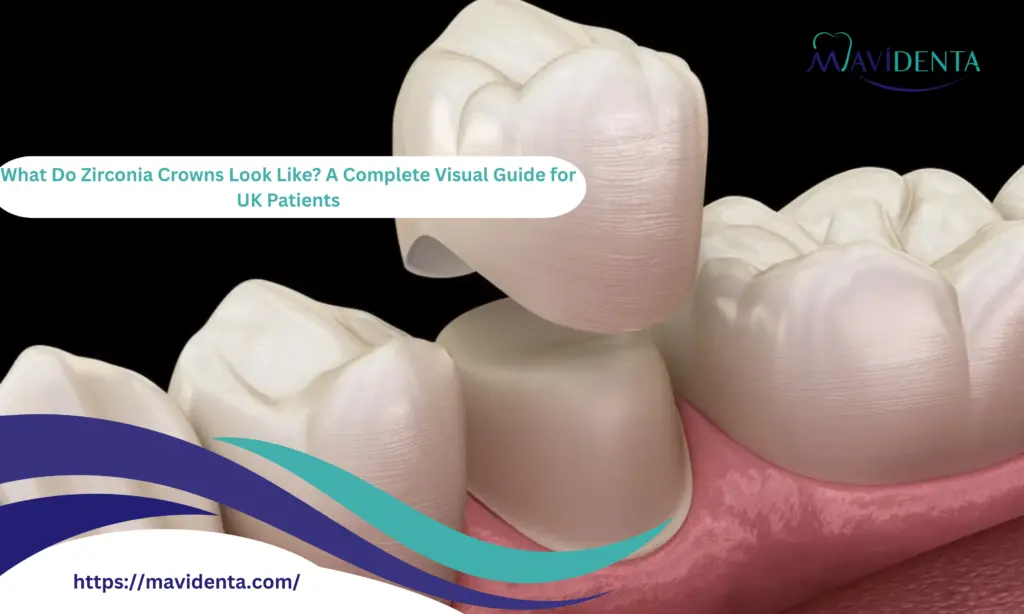
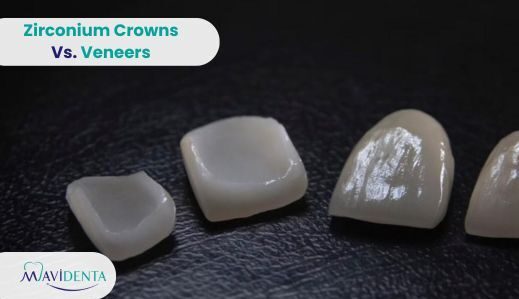
Zirconia crowns are tooth-shaped caps made of zirconium dioxide, a crystalline ceramic known for its high strength and biocompatibility. Zirconia is completely metal-free, which makes it perfect for patients with metal allergies or cosmetic issues, compared to conventional metal crowns or porcelain-fused-to-metal (PFM) choices. CAD/CAM technology is used in the fabrication of these crowns, guaranteeing a precise fit and a natural tooth contour.
However, understanding zirconia crowns disadvantages is equally important. While they excel in durability, traditional solid zirconia can appear less translucent than natural teeth, which is a huge consideration, particularly relevant for front teeth restorations.
Why do dentists use it?
Dentists choose zirconia crowns for many reasons, including:
- Superior power: They are twice as strong as porcelain and can withstand great forces.
- Biocompatibility: Gum-friendly, tissue-compatible, free of allergic responses.
- Longevity: 15–20 years with regular maintenance.
- Aesthetics without metal: Natural tooth color with no dark gum lines.
- Minimal tooth reduction: During preparation, more of the natural tooth structure is preserved.
Here’s what Sarah M., Birmingham say about them: “My NHS dentist recommended metal crowns, but Mavidenta explained why zirconia was superior for my grinding habit. Three years on, they’re flawless.”
Types of Zirconia Crowns
Not all zirconia crowns are created equal. Understanding the three main types helps you navigate zirconia crowns disadvantages specific to each variety. At Mavidenta, we match crown type to tooth position, bite force, and your aesthetic expectations.
Full-Contour (Monolithic) Zirconia
Monolithic Zirconiais a single-layer crown made completely of a solid zirconia block without any porcelain overlay.
Ideal for:
- Molars and premolars, or posterior teeth.
- Individuals who have bruxism (teeth grinding).
- Space-limited areas in need of thin repairs.
- Cases where durability is more important than appearance.
Benefits:
- Unbreakable strength (fracture rate of less than 1%).
- Can be as thin as 0.5mm.
- No chipping risk.
- The most economical zirconia choice.
Drawbacks:
- Lack of natural tooth translucency and an opaque look.
- Could look “chalky” or “flat” on front teeth.
- Shade modification is more limited than with layered options.
High-Translucency Zirconia
High Transparency Zirconia is made of sophisticated zirconia formulations that balance strength and enhanced light transmission for improved aesthetics by reducing opacity.
Ideal for:
- “smile zone” premolars.
- Patients seeking stronger zirconia with improved appearance.
- Crowns where some translucency matters.
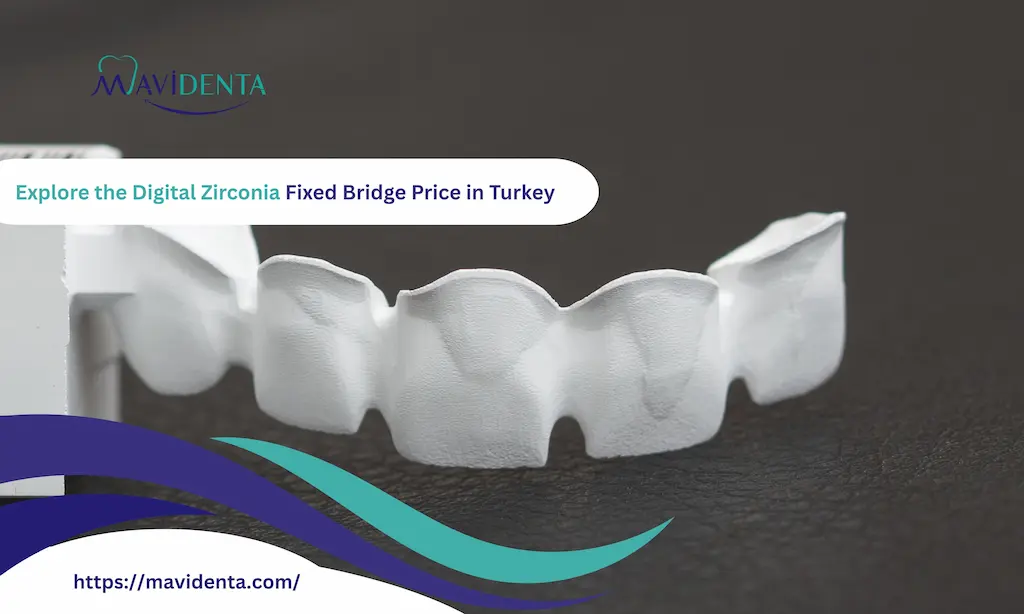
- Bridge frameworks require both strength and appearance.
Benefits:
- 85–90% natural translucency (far superior to monolithic).
- Retains a strength of more than 800 MPa, making it stronger than porcelain.
- Structure made of a single substance (no chipping layers).
- Improved shade matching and color depth.
Drawbacks:
- Slightly more costly than monolithic.
- The light qualities of natural enamel are still not entirely replicable.
- May appear slightly less vibrant.
Porcelain-Fused-to-Zirconia
Layered zirconia combines the resilience of zirconia with the exceptional beauty of porcelain by overlaying a zirconia core substructure with hand-layered porcelain.
Ideal for:
- Front teeth (canines and incisors).
- patients who have strict aesthetic standards.
- Smile makeovers that call for natural translucency.
- Bridgework in visible areas.
Benefits:
- 95% natural appearance as it replicates the translucency of enamel.
- Excellent shade characterization and customisation.
- Strong foundation that reduces fracture risk.
Drawbacks:
- The porcelain coating can chip (5-8% risk over 10 years).
- More tooth reduction is required (2 mm clearance is required).
- Most costly zirconia choice.
- Longer production time (needs a qualified ceramist).
Advantages of Zirconia Crowns
Before exploring zirconia crowns disadvantages, it’s essential to understand why they’ve become the preferred choice for over 80% of crown restorations worldwide. Zirconia dental crown benefits include:
- Exceptional longevity: After ten years, clinical trials demonstrate 95–97% survival rates of the zirconia material, surpassing those of porcelain and metal alternatives.
- Metal-free composition: Patients who are sensitive to metals will benefit from the zero risk of side effects.
- Absence of dark gum lines: Zirconia doesn’t create grey shadows at the gum line like PFM crowns do.
- Surface resistant to stains: More resistant to discoloration from coffee, tea, red wine, and smoke than natural enamel.
- Very little tooth preparation: Compared to traditional crowns, it requires less grinding of healthy tooth structure.
- Biocompatible: Minimizes plaque buildup and promotes healthy gum tissue attachment.
- Same-day production is possible: In advanced clinics, CAD/CAM technology enables completion in three to four hours.
Disadvantages of Zirconia Crowns
While zirconia crowns offer remarkable durability and biocompatibility, no dental restoration is perfect. Understanding these zirconia crowns disadvantages helps you set realistic expectations and make informed decisions.
Key disadvantage of zirconia crown to consider:
- Aesthetics May Not Look 100% Natural: Because traditional solid zirconia lacks the translucency of natural enamel, it may seem opaque or “flat” in some lighting conditions, especially on front teeth, where light transmission is most important.
- More Tooth Reduction May Be Required: Compared to ultra-thin porcelain veneers (0.5mm), zirconia crowns can require more invasive tooth preparation and require a thickness of 1.5–2 mm for strength.
- Difficulties in Adjustment or Modification: Chairside modifications are difficult due to the hardness of zirconia once it is manufactured.
- Wear on Opposing Teeth: Zirconia that is rough or unpolished can cause natural teeth that bite into it to wear down more quickly; this risk is greatly reduced by appropriately glazing it.
- Limited Bonding Compared to Porcelain: Porcelain forms a chemical bond with tooth structure, but zirconia’s non-porous surface needs primers for durable attachment.
- Cost Can Be Higher Than Other Crowns: Zirconia costs £200–£400 more than metal or PFM crowns when purchased privately in the UK, although Turkish clinics like Mavidenta sell zirconia for less than UK metal crowns.
- Not Always Ideal for Front Teeth: Solid zirconia works brilliantly for molars but may compromise aesthetics on incisors; however, layered zirconia or porcelain alternatives often deliver superior results for visible teeth.
Concerned about which crown type suits your specific teeth? Our treatment planners provide honest recommendations in your free consultation.
Zirconia Crowns vs Other Dental Crowns
Choosing the right crown material significantly impacts longevity, aesthetics, and cost. Understanding how zirconia compares to alternatives helps you choose the best type for your needs. Here’s an honest comparison based on 5,000+ UK patient cases at Mavidenta.
Zirconia vs Porcelain
| Factor | Zirconia Crowns | Porcelain Crowns |
| Strength | 1,200+ MPa (excellent for molars) | 400-500 MPa (moderate strength) |
| Aesthetics | Good (85-90% translucency with layered) | Excellent (95% natural translucency) |
| Lifespan | 15-20 years | 10-15 years |
| Best For | Back teeth, grinders, high bite force | Front teeth requiring maximum aesthetics |
| UK Private Cost | £800-£1,200 | £700-£1,000 |
| Mavidenta Cost | £180-£280 | £160-£240 |
Zirconia vs Ceramic
“Ceramic crowns” refers to a broad category that includes zirconia, porcelain, and lithium disilicate (E-max). Although pure ceramic (feldspathic porcelain) is more aesthetically pleasing, it breaks easily under pressure, making it inappropriate for molars or people who grind their teeth. Technically speaking, zirconia is an advanced ceramic that combines near-metal strength with ceramic biocompatibility.
Zirconia vs Metal crowns
| Factor | Zirconia Crowns | Metal (Gold/PFM) Crowns |
| Appearance | Tooth-colored, no dark lines | Visible metal or grey gumlines |
| Allergy Risk | Zero (metal-free) | 10-15% nickel sensitivity |
| Durability | 15-20 years | 20-25 years (gold longest) |
| Gum Health | Excellent biocompatibility | Can cause gum recession/discoloration |
| UK Cost | £800-£1,200 | £600-£900 (PFM), £900-£1,500 (gold) |
| Mavidenta Cost | £180-£280 | £120–£150 |
Common Problems With Zirconia Crowns
While zirconia crowns boast impressive longevity, UK patients frequently ask about practical, day-to-day concerns before committing to treatment in Turkey.
Do zirconia crowns stain?
No, compared to natural teeth or composite materials, zirconia crowns are significantly more resistant to stains.
Coffee, tea, red wine, curry, and tobacco colors are repelled by zirconia’s non-porous crystalline structure. In contrast to porcelain crowns, which can develop surface stains over a period of five to ten years, properly glazed zirconia retains its original color forever.
Are zirconia crowns safe?
Of course. After more than 20 years of research, zirconia crowns have been shown to be safe, biocompatible, and FDA-approved with no toxicity issues.
Over a 15-year span, studies monitoring more than 10,000 patients reveal no negative biological reactions to zirconia.
Can you eat normally with zirconia crowns?
Yes, after a 24-hour settling time. Zirconia crowns are ideal for almost any cuisine since they can endure bite forces greater than 1,200 MPa, which is greater than the strength of natural teeth.
However, Mavidenta offers personalized nightguards to protect your natural teeth and crowns if you have severe bruxism.
When should a zirconia crown be replaced?
You might want to change your crowns every 15-20 years with proper care, though many last 25+ years. You might also need to replace them in case of visible damage compromising structural integrity; however, this is rare and occurs in <2% of cases.
Final Verdict: Are Zirconia Crowns Worth It?
After examining zirconia crowns disadvantages alongside their compelling benefits, the answer for most UK patients is a resounding yes, zirconia crowns are worth it.
While British private dentists charge £800-£1,200 for zirconia crowns, making them unaffordable for multiple-tooth restorations, Turkish clinics like Mavidenta offer identical German-milled materials at £180-£280 per crown. This 70% cost reduction transforms zirconia from a luxury to an accessible solution.
Zirconia crowns represent the best balance of strength, biocompatibility, and aesthetics for most dental restorations. Their drawbacks, primarily aesthetic constraints on front teeth and higher UK costs, can be navigated with careful material selection (layered zirconia for incisors) and wise medical tourism.
The real question isn’t “Are zirconia crowns worth it?” but rather “Can you afford NOT to invest in 15-20 years of confident smiling, comfortable eating, and dental stability?”
Conclusion
Understanding zirconia crowns disadvantages empowers you to make informed decisions rather than discovering surprises after treatment. While no dental restoration is perfect, zirconia’s 15-20 year lifespan, biocompatibility, and exceptional strength make it the gold standard for modern crown therapy when properly matched to tooth position and patient needs.
The dental tourism sector in Turkey, especially well-known clinics like Mavidenta, provides similar German-milled materials, internationally qualified dentists, and complete aftercare at a 70% discount. In addition to saving money, our 5,000+ British clients have restored comfort, confidence, and control over their dental health.
Frequently Asked Questions About Zirconia Crowns Disadvantages
Can you eat normally with zirconia crowns?
Yes, you can eat normally with zirconia crowns after 24 hours. They are usually stronger than natural teeth. Avoid extremely hard foods like ice or hard nuts for the first week. Most UK patients report no dietary restrictions within 2-3 days post-treatment.
Are zirconia crowns better than porcelain?
Compared to porcelain crowns, which last 10–15 years, zirconia crowns are stronger (5x fracture resistance) and last 15–20 years. Zirconia is ideal for molars, but porcelain provides better translucency for front teeth aesthetics. Based on bite force and tooth position, your dentist should provide recommendations.
Are zirconia crowns suitable for front teeth?
With 85–90% natural translucency, modern multilayer zirconia crowns are suitable for front teeth. In contrast to porcelain veneers, classic solid zirconia may appear opaque. For anterior teeth, Mavidenta uses multilayer zirconia, which combines strength and beauty.
Do zirconia crowns crack?
Fracture rates for zirconia crowns are less than 2% during a period of 10 years, according to clinical trials. Compared to metal or porcelain crowns, they are more resistant to cracking. On the other hand, significant trauma, teeth grinding without a nightguard, or incorrect bite alignment can all result in chips.
Are Zirconia Crowns Safe?
Yes, zirconia crowns are completely safe and biocompatible. They’re metal-free so there are no allergy risks, FDA-approved since 2005, and clinically proven in 20+ years of research. Zirconia doesn’t cause gum irritation, doesn’t corrode, and contains no toxic substances.