

A cracked, discoloured, or damaged tooth can knock your confidence in an instant, and you deserve a solution that is both fast and affordable, without compromising on quality or safety.
That is precisely why thousands of British patients are choosing to travel to Turkey for world-class dental care, at up to 70% less than equivalent private UK prices. With advanced clinics, internationally trained dentists, and all-inclusive treatment packages, Turkey has become a trusted destination for high-quality, affordable dental crowns, allowing you to restore your smile without the financial strain.
At Mavidenta, we have helped more than 5,000 UK patients achieve outstanding results, and our credentials reflect that trust. Fully certified to international dental standards, our clinic combines cutting-edge technology with highly experienced specialists. Our industry-leading 20-year warranty backs every crown we place, because we are as committed to your long-term smile as you are.
In this guide, we walk you through every type of dental crown available today — from porcelain and zirconia to metal and PFM, covering costs, lifespans, best uses, and what to expect during treatment. Ready to find out which crown is right for you? Book your free consultation session today!
What Is a Dental Crown? And When Do You Need One?
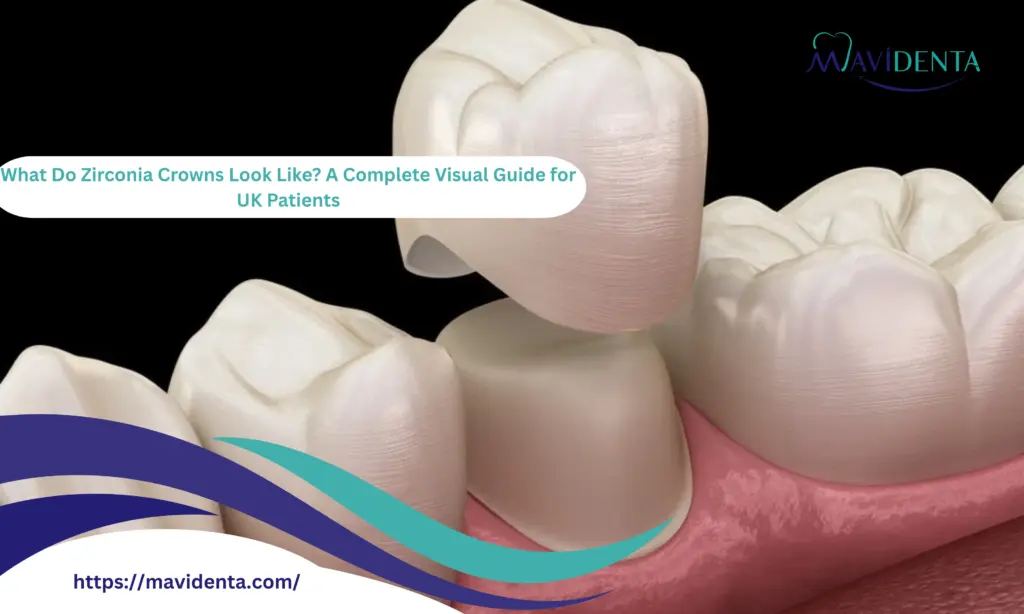
A dental crown is a custom-fitted cap placed over a damaged or weakened tooth to restore its shape, strength, and appearance. Think of it as a protective sleeve that covers the entire visible part of your tooth above the gum line, holding everything together and allowing you to bite and chew normally.
You may need one of the many types of dental crowns if your dentist has identified any of the following:
- A severely decayed tooth that a filling can no longer repair.
- A cracked or fractured tooth at risk of splitting further.
- A tooth that has undergone root canal treatment and needs protection.
- Worn-down enamel from grinding (bruxism).
- A dental implant that requires a visible restoration on top.
- Cosmetic concerns such as severe discolouration or misshapen teeth
Crowns are one of the most predictable and long-lasting restorations in dentistry. With the right material and an experienced dental team, a crown can protect your tooth for 15–20+ years, making it a worthwhile investment rather than a quick fix.
Not sure whether you need a crown? Mavidenta offers a free, no-obligation consultation for UK patients. Speak to a specialist and get a clear answer within 24 hours at mavidenta.com
For the treatment pathway, see our guide to [zirconium crowns in Turkey].
The 5 Main Types of Dental Crowns
Choosing the right crown is not a one-size-fits-all decision. The material that works beautifully on a front tooth may not be the right choice for a back molar under heavy chewing force, and the most aesthetically refined option may not suit every budget. Understanding the five main types of dental crowns, what each is made of, where it performs best, and what it costs, puts you in a far stronger position when you sit down with your dentist.
Porcelain (all-ceramic) crowns
All-ceramic crowns are made entirely from dental porcelain, with no metal framework underneath. That absence of metal is their defining advantage because without a metallic core, the crown transmits light in a way that closely resembles natural tooth enamel, producing a warm, translucent appearance that blends seamlessly with surrounding teeth.
They are the traditional choice for front teeth and other visible areas of the smile, particularly in patients who have sensitivities or allergies to metals. The main limitation, though, is strength because under the kind of sustained, heavy bite forces that back molars endure, pure porcelain can chip or fracture more readily than zirconia or metal alternatives.
For front teeth with moderate to normal bite pressure, however, they remain an excellent, time-tested option.
Zirconia crowns
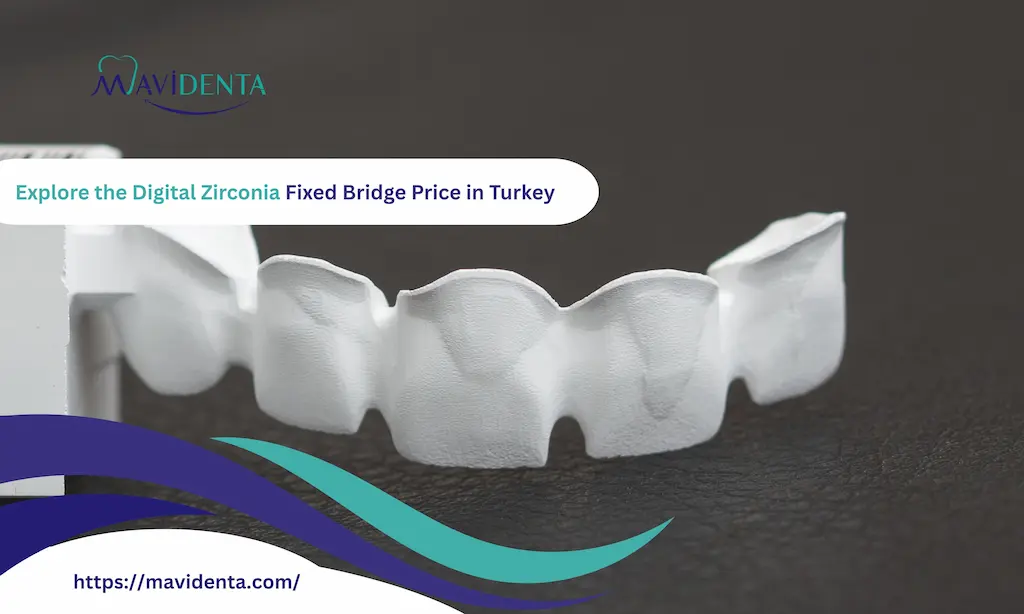
Zirconia has become the single most requested crown material among UK patients visiting Mavidenta, and the reasons are straightforward: it combines the appearance of a natural tooth with a strength that surpasses almost every other dental ceramic on the market.
It can be used on front teeth for their aesthetic demands and on back molars for their mechanical ones, making it genuinely versatile in a way that few other materials are.
For patients who grind their teeth at night, zirconia is particularly well-suited as it withstands bite forces that would fracture softer ceramics. For patients whose priority is a smile that looks completely natural in photographs and conversation, the results are equally convincing.
Porcelain-fused-to-metal (PFM)
Porcelain-fused-to-metal crowns were, for several decades, the global standard for dental restoration, and they remain a solid, widely used option today. As the name suggests, they combine a metal alloy inner shell with a layer of tooth-coloured porcelain fused over it. The metal provides structural strength; the porcelain provides the natural appearance.
Gold/metal alloy crowns
Gold crowns are the oldest form of dental crown still in clinical use today, and with good reason. A well-made gold or metal alloy crown can last twenty to thirty years, outperforming every ceramic alternative on longevity.
The material is biocompatible, kind to opposing teeth, and almost impervious to cracking or fracturing under even the most powerful bite forces.
The obvious limitation is aesthetics. Gold crowns are not tooth-coloured, which makes them conspicuous in the smile zone. For that reason, they are almost exclusively used on rear molars, teeth that bear the heaviest chewing load but sit out of sight during normal conversation.
E.max (lithium disilicate) crowns
E.max is the premium end of all-ceramic dentistry. They are significantly stronger than conventional porcelain while retaining the extraordinary translucency that makes it visually indistinguishable from natural enamel. Many experienced cosmetic dentists regard it as the finest aesthetic material currently available.
The difference is most visible on front teeth, where light catches the crown at different angles throughout the day. E.max crowns shift subtly as light conditions change, closely replicating the complex optical behaviour of real tooth structure.
They are the material of choice for smile makeovers, veneers, and any case where the patient’s primary concern is a result that looks completely natural to people standing inches away.
— Sarah T., Leeds, treated at Mavidenta Istanbul (2025): “I was worried zirconia would look artificial — but it matched my other teeth perfectly. No one can tell which tooth has the crown. Absolutely delighted with the result at Mavidenta.”
Not sure which crown type suits your tooth? Book a free consultation at Mavidenta, and our specialists will guide you to the right choice for your specific situation.
Dental Crown Cost: UK vs Istanbul
For most UK adults, the price of a dental crown is the single greatest barrier between them and the treatment they need.
NHS Band 3 treatment covers a crown at a fixed charge of £282.80 in England, but Band 3 waiting lists at NHS practices accepting new patients can stretch to twelve months or longer in many parts of the country, and an increasing number of NHS dentists have stopped offering crowns on the health service altogether.
Private dental fees in the UK, meanwhile, have risen sharply since 2022 and show little sign of stabilising.
At Mavidenta, the prices of different types of dental crowns are significantly lower than those in private clinics in the UK. There are no hidden laboratory fees, no separate charges for temporary restorations, and no additional costs for the warranty.
Here’s a table that compares the dental crown cost in Turkey vs the UK:
| Crown type | NHS UK (Band 3) | UK private | Mavidenta Istanbul |
| Porcelain (all-ceramic) | £282 | £700–£900 | From £175 |
| PFM | £282 | £650–£850 | From £150 |
| Zirconia | Not available | £900–£1,500 | From £199 |
| E.Max | Not available | £1,000–£1,500 | From £220 |
| Gold/metal alloy | £282 | £800–£1,200 | From £175 |
All Mavidenta prices include consultation, X-rays, temporary crown, permanent fitting, and 20-year warranty. UK private prices are indicative averages for 2026.
— David R., Manchester, 4 zirconia crowns (2025): “Back in Manchester, I was quoted £1,100 per tooth. I got four zirconia crowns at Mavidenta for less than the price of one back home, and had a brilliant week in Istanbul on top.”
How to Choose the Right Crown Type for Your Tooth?
Choosing between the types of dental crowns does not have to be complicated. Two factors matter most: where the tooth sits in your mouth and what matters most to you, natural appearance or maximum durability.
Most patients who arrive at Mavidenta for a consultation have already spent time online reading conflicting advice, and many come in convinced they know what they need. Sometimes they are right. Often, the clinical picture tells a different story.
Front teeth and visible areas of the smile demand a material that excels aesthetically. For patients whose priority is the most natural-looking result possible, E.max lithium disilicate is the first recommendation because its translucency is unmatched.
For patients who also want exceptional strength, or who grind at night, zirconia delivers the same natural appearance with greater mechanical resilience. All-ceramic porcelain works well for front teeth with moderate bite forces and offers the most accessible entry price.
Back teeth and molars endure forces that can exceed 150 pounds per square inch during normal chewing, and considerably more in patients with grinding habits. In this zone, strength takes priority.
High-strength zirconia handles back-tooth demands comfortably while still looking natural. For patients who want the longest possible lifespan and do not mind the appearance of metal, a gold or metal alloy crown on a rear molar is one of the most durable restorations in dentistry.
Get a dentist-confirmed recommendation tailored to your own tooth and speak to a Mavidenta specialist at no cost.
How Long Do Dental Crowns Last?
The question we get more than almost any other at Mavidenta is how long do types of dental crowns last? And it deserves a straight answer.
- A zirconia crown placed by an experienced dentist, properly cemented, and maintained with good daily oral hygiene will last twenty years or more.
- A gold or metal alloy crown is even more durable; twenty to thirty years is a realistic lifespan, and there are documented cases of well-maintained gold crowns lasting forty years without issue.
- E.max crowns typically last fifteen to twenty years.
- Standard porcelain and PFM crowns fall in the ten to fifteen-year range.
To maximise the lifespan of any dental crown, follow these simple habits:
- Brush twice daily with a soft-bristle toothbrush and fluoride toothpaste.
- Floss daily around the crown margin to prevent decay at the gum line.
- Avoid biting hard objects such as ice, pens, or fingernails.
- If you grind your teeth at night, wear a custom night guard.
- Attend a dental check-up every six months with your local UK dentist, who can monitor the crown.
At Mavidenta, every crown is backed by a 20-year warranty, one of the most comprehensive guarantees offered by any dental clinic treating UK patients. Should any defect arise in the crown itself within that period, we will replace it at no cost to you.
Getting a Dental Crown in Istanbul: What to Expect at Mavidenta
Dr. Ayşe Kaya, Senior Restorative Dentist at Mavidenta Istanbul:
“A 41-year-old project manager from Bristol sat across from me last October, calm, well-prepared, with a printed list of questions on his phone. He had been living with a cracked rear molar for almost two years. His NHS dentist had told him it needed a crown. The waiting list was eleven months. He had called three private clinics in Bristol and been quoted between £950 and £1,200, and he had eventually found Mavidenta through a forum where other UK patients shared their experiences.
He told me he had almost not come because the idea of travelling abroad for dental treatment felt like something other people did. I hear that phrase regularly. And I understand it. When your teeth are involved, trust is everything.
What I want to do in this section is give you an honest, step-by-step account of what actually happens when a UK patient comes to us.
The process begins with a free online consultation, and within 24 hours, you receive a personalised treatment plan and a fully itemised quote.
Most UK patients coordinate their visit around a long weekend or a short holiday. The city is a direct three-hour flight from most major UK airports, and flights are frequent and affordable year-round.
The patient I mentioned from Bristol arrived on a Tuesday morning, slightly jet-lagged, still holding his phone list of questions. We spent the first forty minutes on a comprehensive examination and set a clear treatment plan, with a confirmed material choice.
Depending on the complexity of treatment, there may be a brief check-up appointment to assess the fit of the temporary crown before the permanent one is ready.
The final fitting, the patient returns for the permanent crown. We check the fit, the bite, and the colour match under natural light and in different lighting conditions before cementing it permanently.
He spent perhaps ninety minutes in the chair that afternoon and flew home the following morning.”
the Best Dentist In Turkey For Crowns
Conclusion
The decision to get a dental crown is rarely one you make lightly. It comes after months of discomfort, a dentist’s advice, a price quote that makes you wince, or a waiting list that stretches further than your patience.
Understanding the different types of dental crowns is the first step. Whether the right choice for your tooth is the glass-like translucency of an E.max crown, the all-round reliability of zirconia, the proven durability of a gold molar restoration, or the accessible value of a PFM crown, the correct answer exists and your dentist can confirm it. What Mavidenta offers is the combination of materials, expertise, and price that makes acting on that recommendation something you can actually afford.
Your smile is worth restoring. And it does not have to cost you a year’s worth of savings to do it. Book your free consultation at Mavidenta today and take the first step towards the smile you have been putting off.
Frequently Asked Questions
What is the cheapest type of dental crown?
PFM (porcelain-fused-to-metal) is typically the most affordable option in the UK, ranging from £400 to £900 privately. Zirconia crowns abroad, particularly in Istanbul, can be even more cost-effective at £150–£300, without sacrificing aesthetics or durability.
Which type of crown looks most natural?
E.max (lithium disilicate) and all-porcelain crowns offer the closest match to natural tooth translucency. Zirconia has improved significantly and is now nearly indistinguishable, especially for posterior teeth.
How long does a dental crown procedure take?
Traditional crowns require two appointments about two weeks apart. At Mavidenta, we use digital scanning and in-house milling to deliver zirconia and E.max crowns in as little as 3 days, ideal for UK patients visiting Istanbul.
Does getting a crown hurt?
The preparation involves a local anaesthetic, so the procedure itself is painless. Some sensitivity is normal for 1–2 days afterwards. Permanent crowns, once fitted, should feel completely comfortable within a week.
Are zirconia crowns better than porcelain?
Zirconia is stronger and more fracture-resistant, ideal for molars under heavy biting force. Modern zirconia is also highly translucent. For front teeth where maximum translucency matters, E.max may still edge ahead.
How much does a dental crown cost in Turkey vs the UK?
In the UK, a private crown costs £500–£1,500. At Mavidenta Istanbul, equivalent zirconia crowns start from £150–£250. Even including flights and accommodation, most patients save 50–60% overall.