

Medically reviewed by Dr. Necat Aslan, DDS, with 15+ years in cosmetic dentistry
Yes, dental implants in Turkey are safe when you choose a Ministry of Health-approved clinic and a premium implant brand. Most problems come from choosing on price alone, not from Turkey itself.
This guide covers the real risks, how to check a clinic, what treatment involves and what it costs.
Whether you’re considering a single implant or a full-mouth restoration, this article will give you the evidence-based information you need to make a confident, informed decision about your dental health.
Is It Safe to Have Dental Implants in Turkey?
Yes, it is safe when the clinic is approved by the Turkish Ministry of Health and uses CE-marked implants. The dentist’s experience and your aftercare plan matter just as much.
Turkey’s leading dental facilities operate under strict Turkish Ministry of Health regulations, which align with European Union medical directives and require regular inspections, sterilization protocols, and quality audits.
What makes Turkish dental implants safe is:
1. Check the clinic is listed on HealthTürkiye, the Turkish Ministry of Health’s approved provider list.
2. Ask for the implant brand and model in writing.
3. Ask for your dentist’s name, qualifications and years placing implants.
4. Read recent reviews on Google and Trustpilot, not just the clinic’s website.
5. Talk to your UK dentist before you book, as the UK government advises.
However, to avoid common safety concerns and avoid budget operators using uncertified implants or underqualified staff, make sure to:
- Verify a clinic’s Ministry of Health license.
- Confirm the specific implant brand in writing.
- Check your dentist’s credentials with international bodies like the International Congress of Oral Implantologists (ICOI).
- Read verified patient reviews on independent platforms.
The UK Foreign Office says standards vary between providers in Turkey. Some British patients have needed further treatment after problems abroad. That is why checking the clinic matters more than the price.
The key difference between Turkish and UK dental care isn’t safety or quality, it’s operational costs, allowing Turkish clinics to offer the same standard of care at a fraction of the price.
What Are the Risks of Dental Implants in Turkey?
The main risks of dental implants in Turkey are infection, implant failure, rushed treatment and limited aftercare once you’re home. Most can be reduced by choosing the right clinic and plan.
1. Infection: Poor sterilisation can cause infection around the implant. Ask how instruments are sterilised.
2. Implant failure: The implant may not fuse with the bone. Smoking and uncontrolled diabetes raise this risk.
3. Rushed treatment: Too much work in a few days leaves little time to check healing.
4. Unknown implant brands: Cheaper brands may be hard to repair in the UK. Ask for the brand in writing.
5. Over-treatment: Some clinics crown or remove healthy teeth. Ask why each tooth needs treatment.
6. Aftercare at home: Problems may appear after you fly back. Agree on an aftercare plan before you book.
Written Implant Plan Checklist
Before you pay a deposit, ask the clinic for a written plan that includes:
1. The name and qualifications of your implant surgeon
2. The number of implants and the position of each one
3. The implant brand, model and size
4. Whether you need bone grafting or a sinus lift
5. Whether your first teeth are temporary or permanent
6. The total price and what it includes
7. The warranty terms and what happens if an implant fails
Dental Implants in Istanbul: What to Expect
Understanding what to expect when you’re getting dental implants in Turkey helps answer the question “Is it safe to have dental implants in Turkey?” because safety includes proper planning, clear communication, and knowing each step of your journey.
Before You Arrive
At Mavidenta, we conduct virtual consultations via video call, reviewing your dental X-rays or panoramic scans sent electronically.
We’ll provide a detailed treatment plan with transparent pricing, confirm whether you’re suitable for implants, answer any questions you might have, and arrange your date if arrival if you want.
Day 1: Arrival and comprehensive assessment
You’ll be collected from Istanbul Airport and taken to your hotel (often 4-star accommodations included in packages) with luxury transportation.
At the clinic, expect a thorough examination including 3D CT scans, intraoral photography, and bite analysis. Your dentist will review your medical history, discuss any bone density concerns, and finalize the surgical plan. This typically takes 2-3 hours.
Day 2: Implant surgery
The procedure itself takes 30-90 minutes per implant under local anesthesia. You’ll feel pressure but no pain. We use computer-guided surgery for precision placement, minimizing tissue trauma.
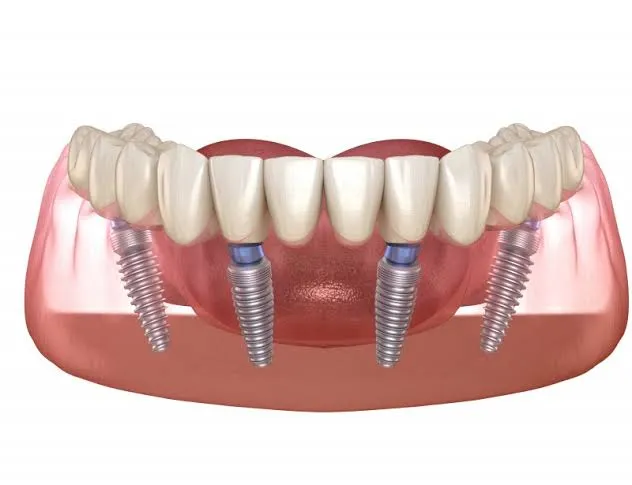
For multiple implants or All-on-4, expect 2-3 hours in the dental chair. If you choose immediate loading techniques, you’ll receive temporary teeth the same day, so you won’t leave with gaps.
Post-surgery, you’ll receive detailed aftercare instructions in English, prescription medications (antibiotics, painkillers, anti-inflammatories), and emergency contact numbers.
Days 3-5: Healing and follow-up
You’ll have daily or alternate-day check-ups to monitor healing, remove sutures if you got traditional stitches, and adjust temporary crowns. You should also expect mild swelling and discomfort that can be managed with medication.
You’re encouraged to rest, eat soft foods, and explore Istanbul without exhausting yourself. We often provide city tour recommendations that don’t interfere with recovery.
Day 6-7: Final checks and departure
Before flying home, a final examination ensures proper healing and integration is beginning. You’ll receive an implant passport documenting the brand, size, and position of each implant, essential for future dental care.
Your dentist provides a comprehensive aftercare plan and schedules your return visit (or coordinates with your UK dentist) for permanent crown fitting in 3-6 months once osseointegration completes.
Return visit (3-6 months later)
When osseointegration completes, you’ll return for 2-3 days to have permanent crowns fitted. This visit is quicker; the dentist will take your teeth impressions to make a personalized crown for your teeth that matches the color, bite, and size of your teeth.
Then, you’ll leave with the final crown placement in place. Some patients combine it with a holiday since they’re familiar with Istanbul by then.
Who Should Have Dental Implants in Turkey?
Dental implants in Turkey are ideal for UK patients who need multiple implants, full-mouth restorations, or complex procedures where cost savings are substantial.
Also, patients who benefit most are those with flexible schedules who can have 5-7 days off for the treatment.
Ideal candidates for dental implants include:
- Individuals with a single missing tooth from injury or extraction.
- Those with multiple gaps affecting their smile and bite.
- Patients with failing bridgework that’s damaging adjacent healthy teeth.
- Denture wearers are frustrated by slipping, clicking, or dietary restrictions.
- Patients who have adequate jawbone density to support the implant (or are willing to undergo bone grafting), and healthy gums free from active periodontal disease
- Non-smokers or people willing to stop smoking, as smoking increases the risk of implant failure.
- Individuals without uncontrolled diabetes or osteoporosis.
- Patients who are not on medications like bisphosphonates that affect bone healing.
If cost is stopping you from getting implants and you’re healthy enough to travel, Turkey can be a safe option.
Who Should NOT Get Implants in Turkey?
Certain patients should avoid getting dental implants in Turkey due to medical complexities, travel limitations, or aftercare needs that require close, ongoing supervision.
While it is safe to have dental implants in Turkey for most healthy patients, specific circumstances make UK-based treatment more appropriate, including:
- Patients with serious medical conditions like diabetes, active cancer or recent chemotherapy (within 12 months), severe heart uncontrolled diabetes, autoimmune disorders, or severe osteoporosis.
- Heavy smokers who are unwilling to quit, as their risk of implant failure is much higher.
- Patients requiring extensive preparatory work, like significant bone grafting, sinus lifts, or treatment for advanced gum disease, will need multiple trips to Turkey, making it impractical and costly.
- Patients who cannot take 5-7 days off work (plus a second trip for crowns).
- Those with severe flight anxiety or mobility issues, making 4-hour flights difficult, or individuals without travel insurance covering dental complications abroad, should think carefully.
- Patients with severe dental phobias requiring multiple sedation sessions or patients with communication difficulties (language barriers, hearing impairments without adequate support) may struggle with the compressed treatment timeline and potential misunderstandings about aftercare instructions.
- If you’re risk-averse about cross-border treatment disputes or concerned about warranty enforcement from abroad, UK treatment offers simpler legal recourse under GDC regulations.
- Patients requiring frequent adjustments, those with temporomandibular joint (TMJ) disorders needing ongoing bite refinement, or individuals with unrealistic expectations who may demand multiple revisions should choose local dentists for easier access.
- Children and teenagers under 21 whose jaws are still developing should never get implants abroad, as this requires years of monitoring.
Aftercare and Long-Term Support for UK/USA Patients
One of the most critical factors in determining the answer to the question “Is it safe to have dental implants in Turkey?” is the quality and accessibility of aftercare, especially once you return home.
Coordinating with Your UK Dentist
Some Turkish clinics actively facilitate relationships with your existing UK dentist. Your clinic should provide comprehensive documentation, including 3D surgical planning images, implant brand and serial numbers (with manufacturer guarantees), healing abutment specifications, and recommended follow-up schedule.
This allows your UK dentist to perform routine check-ups at 6 weeks, 3 months, and 6 months, monitoring osseointegration progress through X-rays. However, some UK dentists refuse to provide aftercare for foreign dental work due to professional liability concerns or ethical positions on dental tourism.
If your dentist is unwilling, Turkish clinics often maintain networks of UK-based partner dentists who’ll provide follow-up care for reasonable fees.
Long-Term Maintenance and Monitoring
Dental implants require lifelong maintenance comparable to natural teeth, and this is where UK patients must be proactive.
After the initial 3-6 month healing period and permanent crown placement, implants need professional cleaning every 6 months to prevent peri-implantitis (gum disease around implants), the leading cause of late implant failure.
Your dentist or hygienist can perform these cleanings using the implant specifications your Turkish clinic provided. The UK government advises talking to your UK dentist before treatment abroad. Ideally, agree on who will provide your check-ups before you travel. for treatment abroad, someone willing to handle emergencies and long-term care.
Building Your Aftercare Plan
Before committing to dental implants in Turkey, create a concrete aftercare strategy:
- Identify a UK/USA dentist willing to provide follow-up care and confirm their fees.
- Ensure your Turkish clinic provides 24/7 emergency contact and virtual monitoring.
- Clarify warranty terms in writing, including who pays for what in various complication scenarios.
- Purchase travel insurance that covers dental complications (most standard policies exclude dental, but specialist medical travel insurance exists).
- Document everything and keep all treatment records, correspondence, and receipts.
Safety Standards and Regulations in Turkish Dental Clinics
Turkish dental clinics are licensed and inspected by the Turkish Ministry of Health. Clinics approved for international patients are listed on HealthTürkiye, the ministry’s official platform.
Turkey is subject to extensive healthcare regulation that closely resembles EU standards. But there is a big quality difference between high-end, accredited clinics and low-cost providers. Understanding the qualifications and standards to look for guarantees that the care you receive is on par with or better than UK procedures.
HealthTürkiye: The Ministry of Health Provider List
HealthTürkiye is the Turkish Ministry of Health’s official list of approved providers for international patients. The UK Foreign Office directs British patients to check it before booking.
Mavidenta holds International Health Tourism Authorization number from the Turkish Ministry of Health.
JCI Accreditation: What It Means for Patient Safety
Joint Commission International (JCI) accreditation represents the gold standard in global healthcare quality, and it’s your strongest safety indicator when evaluating Turkish dental clinics.
For a Turkish clinic to earn JCI accreditation, it must undergo rigorous evaluation across 1,200+ standards covering patient safety, infection control, medication management, staff qualifications, emergency protocols, and continuous quality improvement.
The assessment process takes 12-18 months and includes unannounced site visits, documentation audits, staff interviews, and patient outcome tracking.
Mavidenta is JCI-accredited, which makes it a safe option for your dental implants.
ISO Certifications
ISO (International Organization for Standardization) certifications provide another layer of quality assurance. The most relevant for dental clinics is ISO 9001 certification, which demonstrates a clinic has systematic processes for managing quality, tracking patient outcomes, handling complaints, training staff, and continuous improvement.
International Standards
Important implant safety markers include FDA approval and CE labeling. Implants with the CE mark have undergone a compliance evaluation to show that they satisfy the safety and performance standards of the EU Medical Device Regulation (MDR).
FDA-approved implants have passed even more rigorous US testing, including clinical trials proving safety and efficacy.
To consider whether is it safe to have dental implants in Turkey, you’ll need to verify the specific implant brand. Reputable clinics, like Mavidenta, exclusively use premium brands like Straumann (Switzerland), Nobel Biocare (Switzerland), Astra Tech (Sweden), Zimmer Biomet (USA), or Osstem (South Korea, CE-marked).
These manufacturers offer lifelong warranties and ensure global verification, so any licensed dentist in the world can use the implant’s serial number to confirm its authenticity and warranty status in the event that it fails.
Sterilization Protocols and Infection Control
Infection control represents the most critical daily safety practice in dental clinics, directly impacting whether is it safe to have dental implants in Turkey. Dental implant surgery creates open wounds with foreign body placement, perfect conditions for infection if sterility fails.
The good news: Turkey’s top dental clinics apply hospital-grade sterilization protocols matching or exceeding UK standards.
Implant surgery-specific protocols include:
- Sterile surgical gowns and drapes creating a sterile field around the surgical site.
- Pre-operative antimicrobial mouthwash (chlorhexidine) reducing oral bacterial load.
- Surgical site preparation with povidone-iodine or chlorhexidine scrub.
- Sterile saline irrigation during drilling to cool the bone and flush debris.
- Implant fixtures should be opened from sealed sterile manufacturer packaging directly onto the sterile field, never handled with non-sterile instruments.
Are Turkish Dentists Qualified?
Yes, Turkish dentists are highly qualified, and many have training, certifications, and international experience that meet or exceed UK and EU standards.
Turkish dentists are required to finish:
- 5 years of undergraduate dental study at universities with accreditation.
- Clinical training in periodontology, endodontics, prosthodontics, oral surgery, and restorative dentistry.
- Many further seek three to five years of postgraduate specialized training in orthodontics, prosthodontics, implantology, or cosmetic dentistry.
Additionally, most reputable clinics in Turkey work with dentists who attend international congresses such as the FDI World Dental Congress and the EAO (European Association for Osseointegration).
So yes, Turkish dentists are highly qualified as they frequently combine vast experience with UK patients, advanced technology, international certifications, and intense academic study. When you choose a clinic like Mavidenta, you get care from qualified, experienced, and internationally recognized dentists who put safety, openness, and long-lasting results first.
Why Turkey Is a Popular Destination for Dental Implants?
Turkey is now known as one of the most reliable and reasonably priced locations for dental implants, particularly for patients from the United Kingdom.
Thousands of patients choose Turkish clinics each year because of their modern facilities, skilled implantologists, and significant price savings, all without sacrificing treatment quality or safety.
This is why UK Patients Choose Turkey for Dental Implants:
- Expert Implant Dentists: Turkish implant dentists usually complete three to five years of specialized surgical training after completing five years of dental education. Many are members of international dental associations, including the International Team for Implantology (ITI) and the European Association for Osseointegration (EAO).
- Cost Savings: Dental implants in Turkey can be 50–70% less expensive than those in the UK, mostly because of cheaper laboratory and operating expenses rather than inferior standards.
- Premium Materials: To guarantee long-term results and biocompatibility, reputable clinics like Mavidenta Dental Clinic use CE-approved implant systems from top manufacturers like Straumann, Nobel Biocare, and MIS.
- Modern Surgical Facilities & Advanced Technology: Turkey is known for its investments in the latest digital dentistry, frequently providing technology that can be substantially more expensive in private practices in the UK, such as 3D CBCT scans, Digital smile design, Intraoral scanners, and Guided implant surgery that help provide greater precision, shorter surgery times, and faster recovery.
- Faster Treatment Timelines: Waiting lists in the UK can be lengthy, particularly for complicated restorative cases. Clinics in Turkey can start treatment in a matter of days, which is perfect for patients looking for effective care.
- Comprehensive Patient Experience: To make the process easy and comforting for foreign patients, the majority of clinics provide all-inclusive treatment packages that frequently include airport transfers, hotel stays, a personal treatment coordinator, and assistance on follow-up and aftercare.
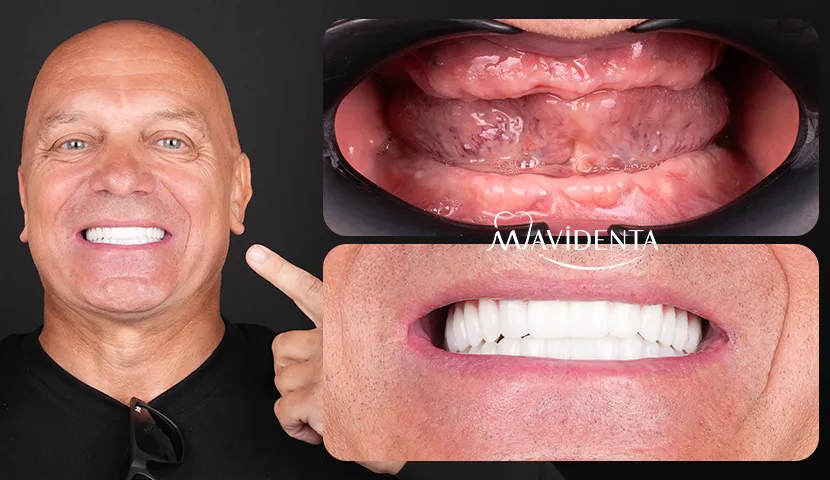
- Proven Reputation & Patient Satisfaction: Thousands of verified patient testimonials, clinical success rates published internationally, and before-and-after implant case portfolios all contribute to Turkey’s dental tourism industry’s solid international reputation.
To guarantee safe, predictable results, reputable clinics place a high priority on clear pricing, medical permission, and individualized treatment planning.
Start Your Smile Makeover with Mavidenta’s Safe and Affordable Dental Implants.
What Do Dental Implants Turkey Reviews Say?
Patient reviews for Mavidenta consistently highlight professional care, transparent pricing, and comprehensive aftercare support. Some of these reviews include:
- On Trustpilot, Sarah M. from Manchester: “I was terrified about getting implants abroad, but Mavidenta made the entire process seamless. My dentist, Dr. Mehmet, explained every step, and the implants look completely natural. Six months on, they feel like my own teeth.”
- On Google Reviews, James T. from Birmingham: “The coordinator, Ayşe, responded to my WhatsApp messages within an hour every single time, even when I panicked about minor swelling at 2 am UK time. That level of support made me feel safe despite being 2,000 miles from home.”
- On RealSelf, Emma R. shared: “I needed four front implants after a cycling accident. The before/after transformation is incredible – my new teeth match my remaining natural ones perfectly in color and shape. Even my UK dentist was impressed with the quality when I went for my six-month check-up.”
How to Choose the Right Clinic for Dental Implants in Turkey
Selecting the right clinic is the most critical factor determining whether is it safe to have dental implants in Turkey, and whether you’ll achieve the aesthetic and functional results you’re hoping for.
Quality varies widely between clinics in Turkey. the quality ranges from world-class facilities to substandard operations that prioritize volume over patient care.
We’ll help you evaluate Turkish dental clinics, ensuring your cost savings don’t come at the expense of your health or smile:
Check Dentist Qualifications and Experience
Your implant’s success depends more on your dentist’s skill than the clinic’s marble floors or website design.
As we have mentioned, Turkey has excellent dentists, many trained at internationally recognized institutions and holding credentials that equal or exceed UK practitioners.
However, the rapid growth of dental tourism has also attracted less experienced dentists and even unqualified practitioners operating in unregulated settings. Thorough credential verification is essential before allowing anyone to place titanium screws into your jawbone.
So make sure to look for International certifications that add credibility:
- Membership in the American Academy of Implant Dentistry (AAID).
- Fellowship with the International Congress of Oral Implantologists.
- Certification from the European Association for Osseointegration (EAO).
These organizations maintain ethical standards and continuing education requirements, and members can be disciplined or expelled for malpractice, creating accountability and trust in said practitioners.
Many Turkish dentists also hold European Board Certification in Oral Implantology, indicating they’ve passed rigorous examinations and case evaluations by international peer reviewers.
Verify credentials independently, and request your dentist’s diploma, specialization certificates, and professional membership documentation during your consultation.
Review Before/After Portfolio
A dentist’s portfolio provides crucial evidence of aesthetic judgment, technical skill, and the realistic results you can expect. Unlike qualifications that prove capability, portfolios show actual outcomes with patients similar to you.
However, portfolio evaluation requires skepticism, so request at least 20-30 before/after cases, cases specifically matching your condition, and unedited photos showing teeth in natural lighting from multiple angles. Many clinics provide overly edited Instagram-perfect images that don’t reflect typical results.
Ask for video testimonials showing patients speaking and smiling naturally, because videos are harder to manipulate than static photos and reveal functional outcomes like speech clarity and natural movement.
You can also request patient contact information, as reputable clinics provide contact details (email or phone) for 2-3 previous UK patients willing to share experiences. A genuine patient conversations provide insights impossible to gain from marketing materials.
Request cases from the past 6-12 months, not just historical work. Dental technology and techniques evolve rapidly, as a portfolio from 5+ years ago may not reflect current capabilities. Verify that portfolio work was performed by your actual treating dentist, not just colleagues at the same clinic.
Read Independent Patient Reviews
Patient reviews provide unfiltered insights into the complete treatment experience, from initial contact through long-term outcomes, that marketing materials never reveal.
Dental tourism, however, creates a fierce competition for patients, which encourages fake reviews, paid testimonials, and the removal of negative feedback.
To find trustworthy reviews, use:
- Trustpilot: UK-based platform with verification processes making fake reviews more difficult.
- Google Reviews: It’s harder to manipulate than clinic websites, and shows review patterns over time.
- WhatClinic: A medical tourism-specific platform with verified patient badges.
- RealSelf: This focuses on cosmetic procedures with detailed review requirements.
How Can I Verify a Turkish Dentist’s Qualifications?
Ask for your dentist’s full name, then check 3 things:
1. Their dental degree and specialist certificate, with the university name
2. Their membership of implant bodies such as ITI, EAO or ICOI
3. How many implants they place each year and their own before-and-after cases
Avoid relying solely on the clinic websites, Facebook pages, Instagram testimonials, or review sites with only positive feedback, as all of these can be easily manipulated.
A credible clinic has 100+ reviews across multiple platforms spanning several years, with realistic distribution (mostly positive, some neutral, occasional negative). All 5-star reviews or sudden spikes suggest manipulation.
Check aftercare quality to answer the question of Do patients report responsive support after returning home, or do they struggle to reach the clinic. This directly answers whether is it safe to have dental implants in Turkey regarding long-term care.
Is It Worth Going to Turkey for Dental Implants?
Yes, if you need several implants or a full-mouth restoration. For a single implant, the saving is smaller once you add 2 trips.
Here’s what to consider when you’re thinking about getting dental implants in Turkey:
The Financial Aspect
A single implant with a crown costs between £1,500 and £2,500 privately in the UK. In Turkey, it costs between £350 and £850.
The gap grows with more teeth:
1. All-on-4 (one arch): between £10,000 and £18,000 in the UK, and between £1,600 and £4,500 in Turkey.
2. Full-mouth reconstruction: between £15,000 and £25,000+ in the UK, and between £3,000 and £10,000+ in Turkey.
So even after including travel expenses, Turkish implants deliver significant savings.
The Quality Factor
The answer to the question of “is it safe to have dental implants in Turkey? and What do their quality meet UK standards?” is complex but reassuring. Top dental offices in Turkey use the same implant brands as those in the UK: Straumann, Nobel Biocare, Astra Tech, and Zimmer Biomet.
These manufacturers maintain the same quality standards globally because they’re produced in the same facilities, regardless of the destination market.
Also, many Turkish implant specialists are trained at prestigious international institutions, hold memberships in organizations like ICOI, and place 200-500+ implants annually.
Last but not least, the facility and technology comparison favors Turkey’s dedicated dental tourism clinics over typical UK practices. This is driven by the competitive medical tourism market in Turkey, leading to dental implants having 95-98% success rates over 10 years.
The Time Investment and Convenience Factor
Beyond financial and quality considerations, the time and convenience equation affects whether Turkey is worth it. Standard dental implant treatment in Turkey requires two trips:
- Trip 1 (5-7 days): Initial consultation, CT scans, implant placement surgery, healing monitoring, and temporary crown/bridge fitting.
- You return home for 3-6 months while osseointegration (implant-bone fusion) completes.
- Trip 2 (2-3 days): Permanent crown impressions, fabrication, fitting, and final adjustments.
This leads to a total time in Turkey of 7-10 days across two trips, which is time away from work and family. It can potentially be just 2 weeks if you time trips around weekends and holidays.
What Should Be Considered When Getting Dental Implants in Turkey?
Successfully navigating dental implant treatment in Turkey requires careful consideration of multiple factors beyond just finding the lowest price, from pre-treatment medical assessments and clinic verification to travel logistics and long-term maintenance planning:
- Pre-Treatment Health Assessment: Before booking flights or paying deposits, honestly assess whether you’re a suitable candidate for dental implants and international medical travel.
- Comprehensive Clinic Verification: Choosing the right Turkish clinic determines your entire results. So, this decision deserves extensive research and verification.
- Financial Planning and Payment Considerations: Beyond the base treatment cost, comprehensive financial planning prevents unexpected expenses from derailing your dental tourism experience.
- Travel Arrangements: Successful dental tourism requires detailed travel planning beyond typical holiday preparation. Make sure that you plan this in detail with the clinic of your choice.
- Treatment Timeline Expectations and Schedule Management: Understanding realistic treatment timelines prevents frustration and allows proper planning to avoid any unexpected delays or issues.
- Long-Term Maintenance Planning: Your implant’s long-term success depends significantly on post-treatment care. Planning for this before traveling to Turkey ensures you’re prepared.
By taking into account the factors mentioned in this part, you’ll make sure to become one of those successful patients, receiving attractive, useful dental implants while saving thousands of pounds and getting the finest result for your oral health and financial security.
Tips for a Successful Dental Implant Trip to Turkey
A successful dental implant experience in Turkey requires strategic planning, smart decision-making, and proactive preparation across every stage of your journey.
These practical tips, gathered from thousands of UK patient experiences, help you maximize results, minimize complications, and ensure your trip answers the question “Is it safe to have dental implants in Turkey?” with a resounding yes.
These tips include:
- Compare at least 3-5 clinics before making decisions and verify accreditations.
- Get specific implant brand confirmation in writing and accept only premium brands like Straumann, Nobel Biocare, Astra Tech, or Zimmer Biomet.
- Read 50+ patient reviews across multiple platforms (Trustpilot, Google, WhatClinic), focusing on recent experiences from UK patients.
- Ask for UK patient references, as reputable clinics might be able to provide contact details for 2-3 previous patients willing to share experiences.
- Get all-inclusive package quotes that specify exactly what’s covered, including transfers, accommodation, medications, and follow-up appointments.
- Disclose all medications honestly because conditions like bisphosphonates, blood thinners, and immunosuppressants significantly impact safety and healing.
- Prepare a medical information card in English and Turkish listing allergies, current medications, and emergency contacts.
- Attend your final check-up and don’t skip this even if you feel fine; dentists verify healing progress before clearing you to fly.
How to Book a Safe Dental Implant Consultation in Turkey
Take the first step toward a confident, healthier smile with Mavidenta Dental Clinic. Book your dental implant consultation today through any of our channels and have your case reviewed by our internationally trained implant specialists before you travel.
Simply complete our online form and connect with a dedicated patient coordinator, or schedule a video consultation for expert guidance and full treatment transparency from the comfort of your home.
Address: Istanbul, Turkey
Phone: +905534843641
Email: [email protected]
Website: https://mavidenta.com/contact/
Book Your Safe Dental Implant Consultation Now and Let Your New Smile Start with a Trusted Clinic.
Conclusion
So, is it safe to have dental implants in Turkey?
Yes, when you choose a trusted, accredited clinic that follows international medical standards.
With success rates comparable to the UK and cost savings of 60–70%, Turkey offers some of the safest, most cost-effective dental implant treatments in Europe, as long as you conduct proper due diligence and select a reputable clinic like Mavidenta Dental Clinic.
If you’re ready for a secure, affordable, and life-changing smile restoration, Mavidenta is the ideal solution you’ve been looking for.
Frequently Asked Questions About Dental Implant Safety in Turkey:
Are dental implants in Turkey safe?
Yes, dental implants are safe in Turkey, particularly when done at clinics with accreditation. This is because the best dental clinics in Turkey utilize CE-approved implants from reputable companies like Straumann and Nobel Biocare, and comply with international ISO standards.
Clinics also have to adhere to Turkish Ministry of Health requirements, which are similar to those in the EU.
However, safety relies on picking a reputable clinic, so make sure to verify accreditation and check verified reviews. Over 150,000 UK patients travel to Turkey annually for dental care with great success rates.
Are Turkish dentists qualified?
Yes, Turkish dentists undergo rigorous 5-year university training plus specialization. Many are members of groups like the International Congress of Oral Implantologists (ICOI) and hold international certifications.
Leading clinics employ dentists with 10-15+ years of experience who’ve trained in the UK, US, or Germany. Because Turkey’s dental tourism industry is so competitive, professional dentists keep up with innovative techniques.
Before scheduling treatment, always ask about your dentist’s qualifications, such as their years of implant experience, specialist certificates, and university degree.
Can I trust the quality of dental implants done in Turkey?
Yes, reputable Turkish clinics use premium European and American implant brands. Only FDA/CE-approved implants, such as Straumann (Switzerland), Nobel Biocare (Sweden), or Zimmer Biomet (USA), which are also included in UK procedures, are used in quality clinics.
Turkey’s lower operational costs enable 60-70% savings, with the difference being pricing, not quality.
Request written confirmation of implant brand and lifetime warranty details from the clinic of your choice, as quality Turkish clinics provide implant passports and manufacturer guarantees.
Will I get aftercare once I’m back in the UK?
Yes, established Turkish clinics provide remote aftercare and UK dentist coordination. Most reputable clinics offer 24/7 WhatsApp support, video consultations, and detailed aftercare instructions in English.
Additionally, they will communicate with your UK dentist for any necessary routine examinations. Many provide 5-25 year warranties covering complications.
Before treatment, confirm the clinic’s aftercare policy in writing, as some UK dentists now partner with Turkish clinics for seamless post-treatment care.
Is it worth going to Turkey for dental implants?
Yes, for most UK patients, you can save £5,000-£15,000 on full-mouth restorations. In Turkey, a single implant costs between £400 and £800, while in the UK, it costs between £2,000 and £3,000.
Savings surpass 60% even when airfares (£150–£300) and accommodation (£30–£80/night) are taken into account.
Turkey offers modern facilities, experienced surgeons, and often same-day procedures. However, for single implants, costs may balance out, but for multiple implants, savings are substantial.
How long do I need to stay in Turkey for dental implants?
Plan for 5-7 days for traditional implants or 3-4 days for immediate loading. You’ll return after 3-6 months for a permanent crown fitting (another 2-3 days) once osseointegration completes. Book flexible flights and plan 1-2 buffer days for complications.
Ready to explore your options? Contact Mavidenta for a free consultation and personalized treatment plan with transparent pricing.
Do dental implants in Turkey hurt?
No, the procedure is performed under local anesthesia, making it practically painless. Most patients report feeling pressure but no pain during surgery.
Similar to a tooth extraction, post-operative discomfort is minimal and can be controlled with prescribed medicines for three to five days. For nervous patients, Turkish clinics frequently offer sedative treatments.
Swelling and bruising peak at 48-72 hours and then subside. Advanced techniques like guided implant surgery minimize tissue trauma, reducing recovery discomfort.
Is Turkey a Good Place for Americans to Get Dental Implants?
Yes, for Americans needing several implants, Turkey can cost far less than the US. A single implant costs between $2,000 and $5,000 in the US.
The flight from the US to Istanbul takes about 10 to 13 hours. Plan 2 trips, 3 to 6 months apart.
Before you book, ask your US dentist if they will provide check-ups for implants placed abroad.
Frequently Asked Questions About Dental Implant Safety in Turkey:
Are dental implants in Turkey safe?
Yes, dental implants are safe in Turkey, particularly when done at clinics with accreditation. This is because the best dental clinics in Turkey utilize CE-approved implants from reputable companies like Straumann and Nobel Biocare, and comply with international ISO standards. Clinics also have to adhere to Turkish Ministry of Health requirements, which are similar to those in the EU. However, safety relies on picking a reputable clinic, so make sure to verify accreditation and check verified reviews. Check the clinic on HealthTürkiye before you book.
Are Turkish dentists qualified?
Yes, Turkish dentists undergo rigorous 5-year university training plus specialization. Many are members of groups like the International Congress of Oral Implantologists (ICOI) and hold international certifications. Leading clinics employ dentists with 10-15+ years of experience who’ve trained in the UK, US, or Germany. Because Turkey’s dental tourism industry is so competitive, professional dentists keep up with innovative techniques. Before scheduling treatment, always ask about your dentist’s qualifications, such as their years of implant experience, specialist certificates, and university degree.
Can I trust the quality of dental implants done in Turkey?
Yes, reputable Turkish clinics use premium European and American implant brands. Only FDA/CE-approved implants, such as Straumann (Switzerland), Nobel Biocare (Switzerland), or Zimmer Biomet (USA), which are also included in UK procedures, are used in quality clinics. Turkey’s lower operational costs enable 60-70% savings, with the difference being pricing, not quality. Request written confirmation of implant brand and lifetime warranty details from the clinic of your choice, as quality Turkish clinics provide implant passports and manufacturer guarantees.
Will I get aftercare once I’m back in the UK?
Yes, established Turkish clinics provide remote aftercare and UK dentist coordination. Most reputable clinics offer 24/7 WhatsApp support, video consultations, and detailed aftercare instructions in English. Additionally, they will communicate with your UK dentist for any necessary routine examinations. Many provide 5-25 year warranties covering complications. Before treatment, confirm the clinic’s aftercare policy in writing, as some UK dentists now partner with Turkish clinics for seamless post-treatment care.