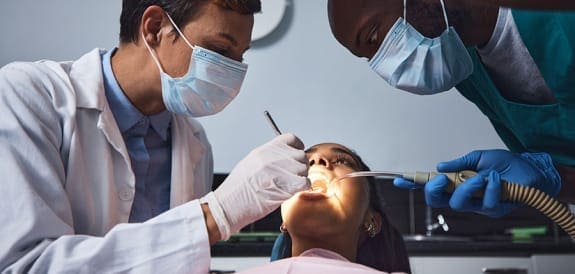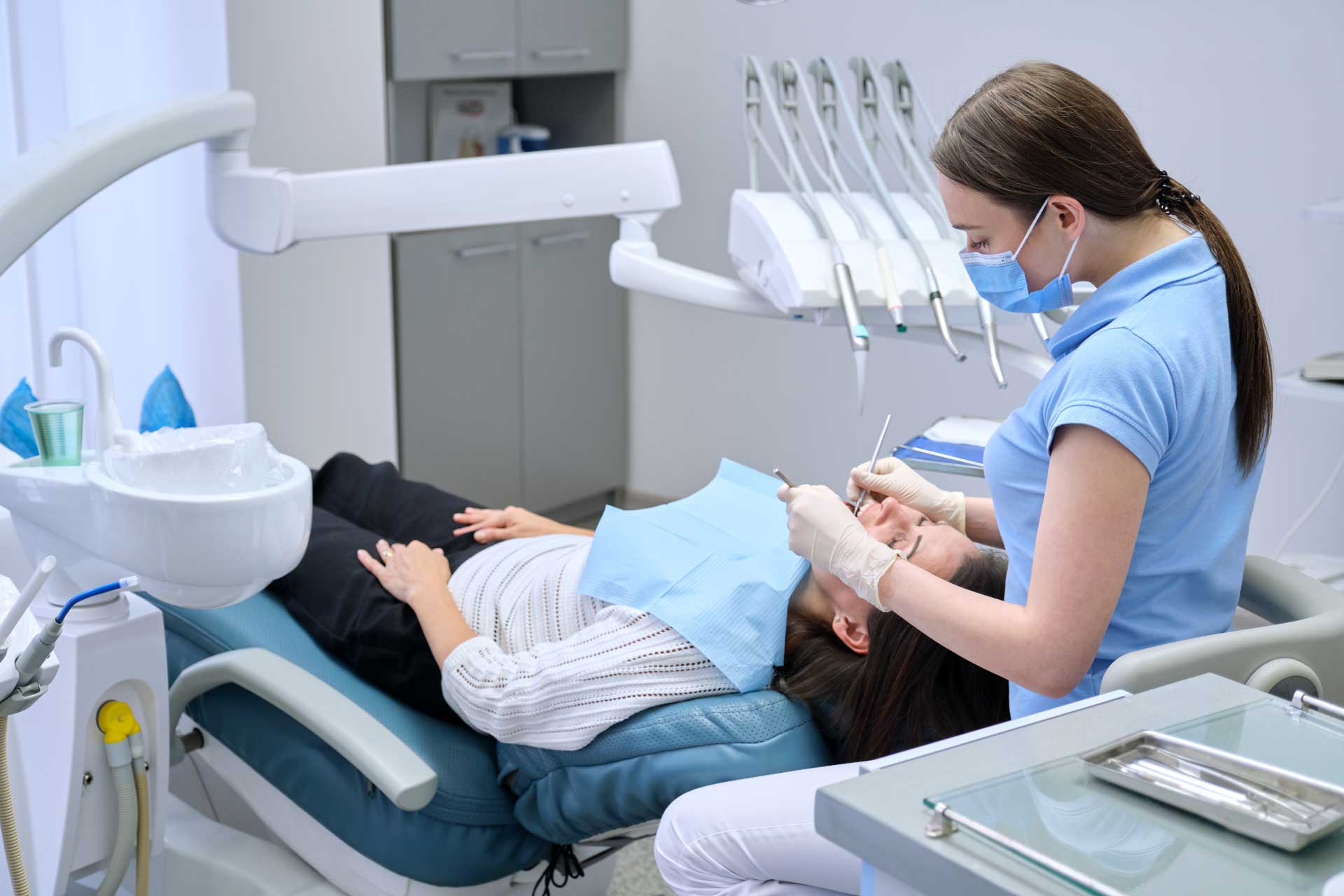


When a damaged or heavily restored tooth needs more than a cosmetic cover, an E-Max crown can restore its shape, appearance and function with a metal-free ceramic designed to reflect light like natural enamel. At Mavidenta in Istanbul, your dentist assesses the tooth, gums and bite before deciding whether E-Max, zirconia or a more conservative restoration is the right option.
-
More than 15 years of dental experience.
-
Dentist-led assessment before final treatment approval.
-
Personalised shade, shape and bite planning.
-
Dedicated support for patients travelling from the UK.
Send your dental photos or X-rays and receive a personalised recommendation.
| Treatment Detail | Information |
|---|---|
| Material | Lithium disilicate glass-ceramic |
| Commonly considered for | Front teeth and selected single-tooth restorations |
| Treatment time | 5 to 7 days |
| Anaesthetic | Local anaesthetic where required |
| Tooth preparation | Required and normally irreversible |
| Stay in Istanbul | You should plan to stay in Istanbul |
| Price per crown | $200–$400 (€180–€360 / £160–£300) per tooth |
| Final suitability | Confirmed after clinical examination |
What Is an E-Max Crown?
An E-Max crown is a metal-free dental crown made from lithium disilicate glass-ceramic. It covers the prepared tooth and is designed to reproduce the shade, translucency and light behaviour of natural enamel, making it particularly useful for visible teeth.
IPS e.max CAD is Ivoclar’s lithium disilicate glass-ceramic system, engineered for restorations that balance aesthetics with mechanical strength. It’s important not to confuse E-Max crowns with E-Max veneers, zirconia crowns, porcelain-fused-to-metal crowns, or generic “ceramic crowns” — not every ceramic crown is genuine E-Max.
Who May Be Suitable for E-Max Crowns?
E-Max may be considered for:
- Front teeth that are chipped or worn
- Teeth with staining that whitening alone can’t correct
- A tooth with a large filling that needs full coverage
- Rebuilding tooth shape and size
- Replacing an old crown with a poor aesthetic result
- Selected premolars and back teeth, depending on bite and available thickness
- Some root-treated teeth, once remaining tooth structure is assessed
E-Max may not be the first choice when:
- Uncontrolled grinding or clenching is present
- Bite forces are heavy
- The tooth isn’t restorable
- Active gum disease or untreated decay is present
- Available space or ceramic thickness is insufficient
- A long bridge or a case outside the material’s indications is needed
- Crowns are being requested purely to reshape healthy teeth that a more conservative option could treat
Not everyone needs an E-Max crown. If your tooth is healthy and your concern is mainly cosmetic, a more conservative option may preserve more natural enamel. Your dentist will assess the tooth, gums and bite before recommending a crown.
Why Are E-Max Crowns Chosen for Visible Teeth?
- Translucency close to natural enamel
- Precise shade matching
- No metal substructure
- No dark metal line visible at the gumline
- Strong single-tooth aesthetic results in the front of the mouth
- Customisable translucency and shade
- Reliable long-term clinical performance when the case is selected and executed correctly
According to Ivoclar, IPS e.max CAD has demonstrated an average survival rate of 95.2% in clinical evidence covering periods of up to 15 years. This material-level figure does not predict how long an individual crown will last.
Limitations worth stating plainly:
- E-Max isn’t unbreakable — it can chip or fracture
- The tooth underneath can still decay
- The crown’s colour can’t be whitened later the way natural teeth can
- The final look depends on preparation, lab work, the tooth’s base shade, the cement used, and the dentist’s skill
- Zirconia may be the better fit for some back teeth or higher-load cases
E-Max Crown Before and After: What Can It Correct?
- A chipped front tooth
- A severely discoloured tooth
- A worn or shortened tooth
- A misshapen tooth
- An old crown with a dark or opaque appearance
- A tooth needing full coverage after structural damage
same angle and lighting where possible, note how many teeth were treated, state results are individual, and confirm patient consent before publishing any image. No stock photos presented as patient results.
Alt text example: “Front tooth restored with an E-Max crown at Mavidenta in Istanbul”
E-Max Crown or Veneer: What Is the Difference?
| Factor | E-Max Crown | E-Max Veneer |
|---|---|---|
| Coverage | Covers the prepared tooth | Covers mainly the front surface |
| Main purpose | Restore and protect a damaged tooth | Primarily improve appearance |
| Tooth preparation | Usually more extensive | Often more conservative, depending on the case |
| Suitable tooth | Structurally compromised or heavily restored tooth | Generally healthier tooth requiring cosmetic change |
| Reversibility | Normally irreversible | Usually irreversible once enamel is removed |
| Final decision | Requires clinical assessment | Requires clinical assessment |
the page shouldn’t start competing for “E-Max veneers in Turkey” traffic against the existing veneers page.
E-Max vs Zirconia Crowns
| Factor | E-Max Crown | Zirconia Crown |
|---|---|---|
| Material | Lithium disilicate glass-ceramic | Zirconium oxide ceramic |
| Main strength | Optical quality and adhesive bonding | Higher mechanical strength |
| Common use | Visible teeth and selected single restorations | Front or back teeth, especially higher-load areas |
| Translucency | Often highly enamel-like | Varies by zirconia type |
| Heavy grinding | May not be the first choice | May be considered, but the whole bite must be assessed |
| Best option | Depends on the tooth and bite | Depends on the tooth and bite |
[Not sure which crown material fits your case? Request a dentist-led assessment.]
Internal link: Zirconium Crowns in Turkey — don’t duplicate its pricing or detail here.
How Does the E-Max Crown Procedure Work at Mavidenta?
1. Remote assessment before travelling
Dental photos, available X-rays, dental and medical history, and your expectations are reviewed to build an initial estimate — not a final diagnosis.
2. Clinical examination in Istanbul Teeth and gums are examined, the bite is assessed, decay and old fillings are checked, and any imaging needed is taken to confirm whether the tooth is restorable and finalise the plan.
3. Tooth preparation Decay or unsuitable old restorations are removed, the tooth is rebuilt if needed, and enough structure is prepared to allow adequate crown thickness. This step is irreversible, and local anaesthetic is used where needed.
4. Digital impression and shade selection (Only state “digital scanning” if this is confirmed as Mavidenta’s actual workflow.) Tooth shape and bite are recorded, and shade and translucency are selected — including whether this is a single tooth or part of a wider smile plan.
5. Temporary crown Protects the tooth between visits. A difference in colour or texture from the final crown is normal at this stage, alongside food and hygiene guidance.
6. Laboratory fabrication The crown is designed, then milled or pressed depending on the system used, followed by crystallisation/firing, shade characterisation, and polishing and quality checks.
7. Try-in and final bonding Fit, contact points, bite, colour and shape are checked, and the patient’s approval is confirmed before final bonding using a cementation protocol appropriate to the case.
8. Final checks and aftercare Bite evaluation, guidance on temporary sensitivity, cleaning around the crown margin, and when to contact the clinic.
How Many Days Do E-Max Crowns Take in Turkey?
| Factor | E-Max Crown | Zirconia Crown |
|---|---|---|
| Material | Lithium disilicate glass-ceramic | Zirconium oxide ceramic |
| Main strength | Optical quality and adhesive bonding | Higher mechanical strength |
| Common use | Visible teeth and selected single restorations | Front or back teeth, especially higher-load areas |
| Translucency | Often highly enamel-like | Varies by zirconia type |
| Heavy grinding | May not be the first choice | May be considered, but the whole bite must be assessed |
| Best option | Depends on the tooth and bite | Depends on the tooth and bite |
The number of appointments and days required depends on the number of crowns, the condition of the supporting teeth, laboratory work, and whether any preliminary treatment is needed.
E-Max Crown Cost in Turkey
What affects the final price:
- Number of crowns needed
- Condition of the supporting teeth
- Whether a filling or core build-up is needed
- Whether root canal treatment is clinically required
- Removal of an old crown
- The specific E-Max product and fabrication method
- Whether a night guard is needed
- Which logistics are included or excluded
UK vs Turkey comparison: add only once Mavidenta’s official price, a documentable sample of UK private-clinic prices, and a price date are all in hand. Competitor pricing (e.g. figures quoted by Dentatur or Smile Team Turkey) varies too widely to use as a benchmark or stand-in for Mavidenta’s own price.
What Is Included in Your E-Max Crown Treatment?
avoid a vague “all-inclusive package” claim.
- Consultation
- Clinical examination
- Required imaging
- Tooth preparation
- Temporary restorations
- Laboratory crown
- Trial fitting
- Final bonding
- Bite adjustment
- Medication, if applicable
- Aftercare
- Hotel and transfers — included or optional
- Warranty terms: duration, coverage and exclusions
How Long Do E-Max Crowns Last?
There’s no guaranteed individual lifespan. Survival depends on case selection, preparation, bonding, bite, hygiene and grinding habits. IPS e.max CAD has long-term manufacturer performance data, but the crown or the cement may still need repair or replacement over time, and the underlying tooth remains at risk of decay or gum problems.
Factors affecting how long a crown lasts:
- Fit and margin quality
- How much healthy tooth structure remains
- Crown position
- Grinding or clenching
- Biting hard objects
- Oral hygiene
- Gum health
- Attending regular dental reviews
- Smoking and general health, where relevant
Never use “lasts a lifetime” — even if current site copy implies this, it needs correcting.
Risks and Possible Complications
- Removal of part of the natural tooth structure
- Temporary or persistent sensitivity
- Possible need for root canal treatment in some cases
- Chipping or fracture
- Debonding or loosening
- Change in bite or discomfort
- Gum irritation
- Decay at the crown margin
- Imperfect colour match
- Possible need for repair or replacement
- Difficulty adjusting colour after cementation
- Discovering during treatment that the tooth isn’t restorable
Patient safety statement: Dental crowns require irreversible tooth preparation. Suitability, risks and alternatives must be assessed individually by a qualified dentist after examining the tooth, gums, bite and available diagnostic images.
Caring for Your E-Max Crowns
Immediately after fitting:
- Wait until numbness fully wears off before eating
- Avoid biting your lip or cheek while still numb
- Report any high bite immediately
- Mild, temporary sensitivity can occur
- Contact the clinic if pain increases or the crown feels loose
Long-term care:
- Brush twice daily with fluoride toothpaste
- Clean between the teeth every day
- Clean carefully around the crown margin
- Avoid using crowned teeth to open packaging
- Don’t bite ice or very hard objects
- Wear a night guard if prescribed
- Continue regular check-ups with a dentist in the UK
- Seek assessment if the crown feels loose, cracks, or causes lasting discomfort
Why Choose Mavidenta for E-Max Crowns in Istanbul?
- 15+ years of experience
- Named dentist responsible for restorative/cosmetic work
- The actual manufacturer used
- Design and fabrication method
- Lab experience
- Bite evaluation as standard
- Colour and shape trial before final bonding
- Support for UK patients
- Written aftercare plan
- Real warranty terms
- Documented case photos
- Clinic address and contact details
Planning Your E-Max Crown Treatment from the UK
Before booking:
- Send recent photos and X-rays, if available
- Disclose allergies, medications and medical conditions
- Mention any grinding or jaw pain
- Get a written provisional plan
- Confirm exactly what the price includes
Before travelling:
- Don’t book a return flight too soon after treatment
- Leave time for try-in and adjustment
- Bring a list of your medications
- Keep your UK dentist’s details on hand
- Understand the plan for handling any issue after you’re home
Checklist before final bonding:
- Has the bite been checked?
- Does the colour look right in different lighting?
- Does the shape suit your face and the rest of your teeth?
- Can you floss between the teeth?
- Do you understand the aftercare instructions?
- Have you received the material, warranty and treatment plan details in writing?
Frequently Asked Questions
What is an E-Max crown made from?
Lithium disilicate glass-ceramic. “E-Max” refers to a specific ceramic restoration system, not ceramic crowns in general.
How much does an E-Max crown cost in Turkey?
[ $200 and $400 (€180–€360 / £160–£300) per tooth], what it includes, and confirmation that your final plan follows a clinical examination.
Are E-Max crowns suitable for front teeth?
They’re often used in visible areas because of their optical properties, but suitability is assessed case by case.
Can E-Max crowns be used on back teeth?
In selected cases, yes — though bite forces and grinding habits may make zirconia the better option.
Which is better, E-Max or zirconia?
E-Max is often selected when enamel-like translucency and adhesive bonding are priorities, while zirconia generally provides greater mechanical strength. The right choice depends on the tooth position, remaining structure and bite.
What is the difference between an E-Max crown and an E-Max veneer?
A crown covers the prepared tooth; a veneer mainly covers the front surface.
How much tooth is removed for an E-Max crown?
It varies by tooth and design — avoid quoting a fixed figure or calling it “no-prep.”
Is the E-Max crown procedure painful?
Anaesthetic reduces pain during preparation, though temporary sensitivity or discomfort can follow.
How many days should I stay in Istanbul?
[5–7 days], noting it varies by case.
How long do E-Max crowns last?
Strong long-term performance is possible, but there’s no guaranteed individual lifespan.
Do E-Max crowns stain?
The ceramic resists staining reasonably well, though natural teeth, the crown margin and habits still affect overall appearance.
Can E-Max crowns be whitened?
Whitening products don’t change the crown’s colour — plan shade selection carefully before treatment if whitening matters to you.
Can a tooth decay under an E-Max crown?
Yes — decay can occur at the margin or beneath the restoration.
Are E-Max crowns suitable for people who grind their teeth?
Extra assessment is needed; a different material or a night guard may be recommended.
Are E-Max crowns reversible?
Usually not, since fitting a crown requires removing part of the tooth structure.
Find Out Whether E-Max Is Right for Your Teeth
Send your dental photos or available X-rays to the Mavidenta team. You’ll receive an initial review of the possible treatment options, estimated number of crowns and expected stay before deciding whether to travel.