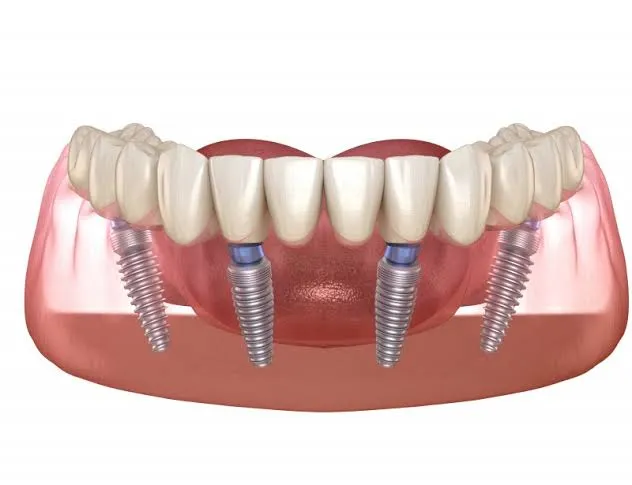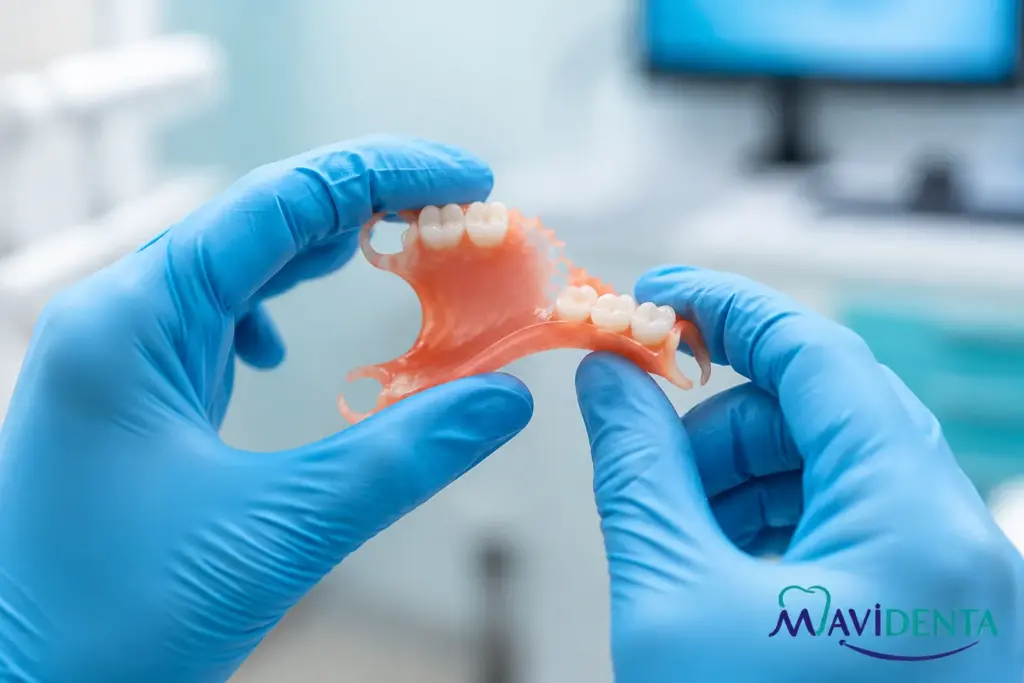


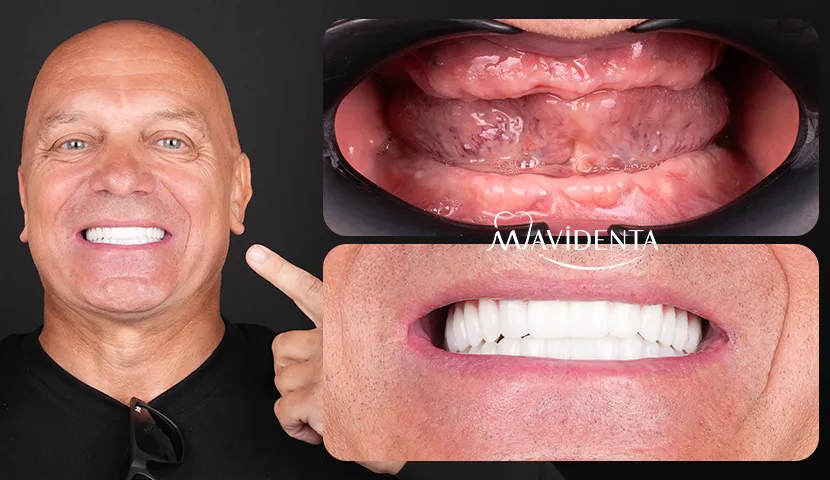
Getting dental implants abroad means travelling outside the UK for one or more stages of implant treatment. A complete restoration may include the implant, an abutment and a crown, bridge or denture. These parts are not automatically included in every advertised price.
The FDA describes dental implants as devices placed surgically in the jaw to support crowns, bridges or dentures.
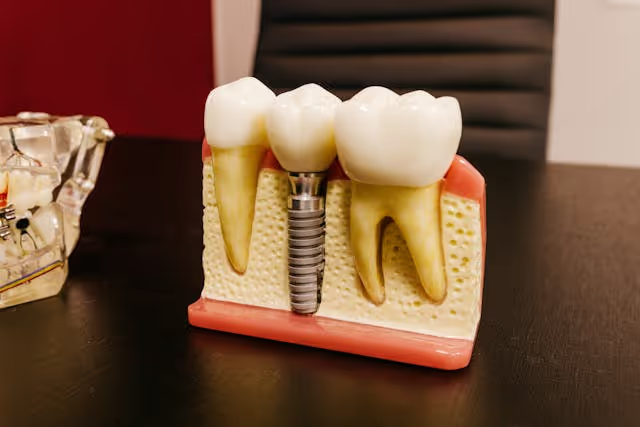
A complete implant has 3 parts:
- Implant fixture: the post placed in the jawbone. It replaces the tooth root.
- Abutment: the connector between the implant and the visible tooth.
- Crown, bridge or denture: the visible replacement teeth.
Surgery and final teeth may take 2 or more trips. Some plans use temporary teeth while the gum and bone heal.
Treatment abroad is not one standard product. The plan changes with the number of missing teeth, bone volume and gum health.
Why Do UK Patients Consider Dental Implants Abroad?
UK patients travel for implants mainly because of a possible cost difference. Other reasons matter too, and none of them make treatment abroad better by default.
The 6 most common reasons are:
- A lower treatment quote, especially for several implants or a full arch.
- Clinics that focus on international patients.
- Appointment dates that arrive sooner.
- Several procedures planned together.
- A team that speaks English.
- Destinations that are easy to reach from UK airports.
Quality is not the same in every country or clinic. The reason you travel should never replace a check of the dentist, the plan and the aftercare.
Are Dental Implants Abroad Safe?
Dental implants abroad are not automatically safe or unsafe because of the country. Safety depends on diagnosis, the dentist’s training, clinic regulation, infection control, the implant system, treatment timing and accessible aftercare.
No surgery is risk-free. The country alone cannot tell you whether a dentist is right for your case.
A safe plan starts with these checks:
- A clinical examination and full medical history.
- An assessment of bone, gums and bite.
- The full name of the dentist who will treat you.
- Informed consent that explains risks and alternatives.
Smoking, diabetes, gum disease and some medicines can change both the plan and the risk. Tell the clinic about all of them.
Never decide from an advert or a WhatsApp quote alone.
The General Dental Council (GDC) advises you to speak to your UK dentist before you travel. It also advises checking the dentist’s qualifications, regulation, insurance, complication rates, follow-up and complaints process.
Understand Your Implant Options Before You Travel
Send your available dental photos or X-rays for an initial review. This can help you find questions to ask. Your final plan must be confirmed after an in-person examination.
Button: Request an Initial Review
Clinical review required: a qualified implant dentist must check this section before publication.
Benefits and Risks of Getting Dental Implants Abroad
Every possible benefit of treatment abroad comes with a matching point to check. Use the table to weigh both sides.
| Potential benefit | What to consider |
|---|---|
| Lower treatment quote | Add travel, accommodation, repeat visits and possible corrective care. |
| Clinics for international patients | Verify the treating dentist, not only the clinic brand. |
| Planned treatment schedule | Implant healing cannot always be shortened safely. |
| Treatment and travel combined | Recovery may limit sightseeing and flying plans. |
| Package coordination | Confirm every inclusion and exclusion in writing. |
| Several treatments in one plan | Avoid unnecessary extractions or overtreatment. |
| Remote communication | It does not replace an in-person exam or local emergency care. |
These risks apply to implant surgery anywhere. Distance makes them harder to manage.
- Infection.
- Implant not fusing with the bone.
- Nerve or sinus injury.
- Gum complications.
- Implant loosening or failure.
- Problems with the temporary or final teeth.
- A poorly fitting bite.
- Need for bone grafting.
- Delayed healing.
- Difficulty getting your records.
- Communication problems.
- Extra travel.
- Limited legal or complaint options.
- Costly corrective treatment after you return.
How Much Do Dental Implants Abroad Cost?
The cost depends on what the quote covers. A price for the implant fixture alone is not the price of a restored tooth.
The total also changes with scans, extractions, grafting, temporary teeth, sedation, the final restoration and the number of trips.
What should an implant quote include?
Ask for these 17 items in writing:
- Consultation and diagnosis.
- CBCT scan or other required imaging.
- Implant fixture and exact brand.
- Surgical placement.
- Abutment.
- Temporary tooth or denture.
- Final crown, bridge or full-arch prosthesis.
- Extractions.
- Bone graft or sinus lift.
- Sedation or anaesthesia.
- Medication.
- Laboratory work.
- Hotel and transfers.
- Follow-up appointments.
- Warranty conditions.
- Treatment for complications.
- Cost of returning to the clinic.
Request an Itemised Implant Estimate
Ask for a written estimate. It should show the implant system, abutment, temporary teeth, final restoration, extra procedures and expected number of visits.
Button: Request My Estimate
Publishing note: add no country or clinic prices until each has a verified source, one currency, an update date, a clear unit (per implant or per restored tooth) and all required trips. Keep market ranges separate from Mavidenta prices.
Which Country Is Best for Dental Implants?
There is no single best country for every implant patient. The right destination depends on the dentist’s qualifications, regulation, travel distance, number of visits, language, total cost and aftercare.
This guide compares 5 destinations that are practical for UK patients. Prices are left out until they can be verified on the same terms.
| Destination | Why UK patients consider it | Travel point | What to verify |
|---|---|---|---|
| Turkey | Competitive packages and clinics built for international patients | Longer journey than some EU options. Repeat travel may be needed. | Dentist, clinic authorisation, implant brand, stages, aftercare |
| Hungary | Established dental-tourism market in the EU | Flights and return visits are still required. | Regulation, complete quote, local follow-up |
| Poland | Competitive European pricing and UK flight access | Clinic location affects convenience. | Implant training, records, warranty |
| Croatia | Treatment combined with European travel | Seasonal flights need planning. | Treatment stages, complication policy |
| Spain | Familiar destination, easy access from many UK airports | Prices may be higher than in lower-cost destinations. | Specialist experience, full treatment cost |
Considering Turkey for Dental Implants?
See how implant treatment is planned in Istanbul, including assessment, stages, healing and follow-up.
Button: View Dental Implants in Turkey (links to the service page, not the contact form)
Why Do Some Patients Choose Turkey for Dental Implants?
Some UK patients choose Turkey for its relative closeness, clinics set up for international patients and different operating costs. Turkey is a reasonable option to assess. It is not a guarantee of quality.
The reasons patients give include:
- A shorter journey than many long-haul destinations.
- Clinics that organise treatment for international patients.
- Plans for single implants and full-arch treatment.
- Help with accommodation and transfers.
- Istanbul is easy to reach.
Keep 4 points in mind:
- Not every clinic suits every patient.
- A lower price does not prove good or poor quality.
- Check the dentist, the plan, the materials and the follow-up.
- Treatment should never become “holiday first, surgery second”.
Explore the treatment stages, suitability and clinic details on our dental implants in Turkey service page.
How Many Trips Are Needed for Dental Implants Abroad?
Many implant treatments need at least 2 clinical stages with a healing period between them. The number of trips varies by case.
Temporary teeth do not mean the implant has healed. They also do not mean the final teeth can be fitted on the same visit.
First visit
- In-person examination.
- Imaging and confirmation of the plan.
- Extraction, when necessary.
- Grafting, where clinically indicated.
- Implant placement.
- Temporary teeth, if appropriate.
- Early post-operative check.
Healing period
The implant fuses with the jawbone. This process is called osseointegration. Gums and bone heal at the same time.
Remote checks may suit some cases. Any symptom needs a local assessment. No fixed timeline fits every patient.
Second visit
- Confirm implant stability.
- Take impressions or scans.
- Try in the new teeth.
- Fit the final prosthesis.
- Check the bite.
- Receive your aftercare documents.
When a third visit may be needed
- Staged bone grafting.
- Complex healing.
- Adjustments.
- Treatment of complications.
- Complex full-arch rehabilitation.
Guy’s and St Thomas’ NHS Foundation Trust explains that implant planning involves clinical assessment and imaging. It also notes that bone grafting may need 3 to 6 months of healing before implants in some cases.
Can Dental Implants Abroad Be Completed in One Visit?
Some patients can receive implants and temporary teeth during one visit. The implants still need time to fuse with the jawbone. Final teeth may need a later visit, and immediate loading does not suit every patient.
Placing an implant is not the same as fitting final teeth. “Teeth in a day” does not mean healing ends in a day.
Immediate loading means temporary teeth are attached before full healing. It depends on:
- Bone quality.
- Initial implant stability.
- Absence of infection.
- Your bite.
- The type of treatment arch.
No clinic can promise that every case ends in one trip.
Who May Be Suitable for Dental Implants Abroad?
Treatment abroad may suit patients who can travel more than once, manage staged care and verify the plan. It suits fewer patients who need frequent or complex follow-up.
It may suit you if you:
- Need several implants or full-arch treatment.
- Can travel more than once.
- Have enough time to recover.
- Hold a written diagnosis and plan.
- Can afford the total cost, not only the treatment.
- Understand the risks and alternatives.
- Have a follow-up plan in the UK.
- Can return to the clinic if needed.
It may not be the best option if you:
- Need frequent, complex follow-up.
- Cannot return when a problem appears.
- Have unstable medical conditions.
- Have untreated active gum disease.
- Smoke heavily and cannot follow a risk-reduction plan.
- Take medicines that affect bone healing and need medical coordination.
- Choose on price alone.
- Need urgent treatment before an event or a fixed return date.
- Expect final teeth immediately, whatever your condition.
Suitability cannot be decided from photos or X-rays alone. The final plan needs a clinical examination.
How to Choose a Dental Implant Clinic Abroad
Choose a clinic by verifying 5 things: the dentist, the clinic, the implant system, the diagnosis and the aftercare. The GDC suggests similar questions for patients who plan treatment overseas.
1. Verify the treating dentist
- Full name.
- Qualifications and professional registration.
- Training in implant dentistry.
- Experience with cases like yours.
- Who performs the surgery.
- Who designs and fits the final teeth.
- Whether the same dentist follows you up.
2. Verify the clinic
- Regulating body and health licence.
- Infection-control procedures.
- Emergency support.
- Complaints process.
- Professional indemnity.
- How you receive your records.
3. Verify the implant system
- Manufacturer and implant model.
- Whether replacement parts are available in the UK.
- Batch or lot documents, where supplied.
- A written implant passport.
- Crown or bridge material and laboratory details.
4. Verify the diagnosis
- Full medical and dental history.
- Gum and bite assessment.
- CBCT scan when clinically required.
- Bone volume.
- Alternatives to implants.
- Why any extraction is necessary.
- Whether natural teeth can be kept.
5. Verify the aftercare
- A named contact after you return.
- Response time.
- Limits of remote review.
- Local emergency arrangements.
- Who is responsible for corrective care.
- Who pays for flights and accommodation.
- What the warranty excludes.
Red Flags When Comparing Overseas Implant Clinics
One red flag is a reason to pause. Several together are a reason to walk away.
- A final plan and quote issued from photos alone.
- Pressure to pay a deposit immediately.
- The dentist’s identity is not disclosed.
- No discussion of alternatives.
- Healthy teeth recommended for extraction without explanation.
- The implant brand is missing.
- A “lifetime guarantee” with no written conditions.
- One advertised price that excludes the abutment or final teeth.
- A promise of guaranteed success.
- A claim that every case finishes in one trip.
- No explanation of what happens after you return.
- Only perfect reviews with no verifiable source.
- Refusal to share scans and treatment records.
- No complaints procedure.
- Recovery time sold as sightseeing time.
- Flights booked before the final clinical plan is confirmed.
What Should Be Included in a Written Treatment Plan?
A written plan should name every tooth, procedure, price and clinician. Do not pay a deposit until you hold one.
| Required detail | Why it matters |
|---|---|
| Diagnosis for each tooth | Prevents vague or unnecessary treatment. |
| Teeth to keep or remove | Extraction cannot be undone. |
| Number and position of implants | Sets the scope of treatment. |
| Implant manufacturer and model | Needed for future maintenance and compatible parts. |
| Need for grafting or sinus lift | Changes cost, healing time and number of trips. |
| Temporary restoration | Shows what you will wear during healing. |
| Final prosthesis material | Affects look, function, maintenance and cost. |
| Full itemised price | Reveals exclusions and possible extras. |
| Treatment stages and dates | Helps you plan work, flights and accommodation. |
| Risks and alternatives | Needed for informed consent. |
| Aftercare arrangements | Matters once you are back in the UK. |
| Warranty conditions | Shows what is actually covered. |
| Clinician names | Shows who is responsible for each stage. |
Download idea: a “Dental Implants Abroad Clinic Comparison Checklist” PDF. It can be added later and is not needed to launch the article.
Travel Insurance and Dental Treatment Abroad
Most standard travel insurance does not cover planned treatment abroad. You may need specialist medical-travel insurance. The NHS gives the same warning.
Tell the insurer why you are travelling. Hiding a medical reason can void a claim.
Check whether the policy covers:
- Complications.
- Cancellation.
- Extended stay.
- Emergency treatment.
- Medical evacuation.
- Companion expenses.
- Repeat travel.
A GHIC or EHIC card is not a substitute for cover for planned treatment.
Do not assume insurance pays for corrective dentistry. Only the policy wording can confirm that.
What Happens If Something Goes Wrong After You Return to the UK?
Contact the clinic that treated you straight away. Urgent problems also need a local assessment. Do not wait for a remote reply.
Follow these 5 steps:
- Contact the treating clinic and describe the problem.
- Ask for your records, scans and implant passport.
- Book a local dental assessment if the problem is urgent.
- Ask what the clinic’s warranty covers in writing.
- Agree who pays for corrective treatment before it starts.
Emergency stabilisation is not the same as redoing the full plan. A UK dentist is not obliged to carry out another clinic’s warranty work.
Corrective treatment may carry a private cost.
NHS England says anyone who had private treatment, in the UK or abroad, can still seek assessment for an acute problem or complication. Complex elective rebuilding does not automatically become NHS-funded care.
What the NHS can do depends on eligibility and local services.
Dental Implants Abroad vs the UK
Neither option is better for everyone. Abroad may cost less up front, while the UK offers easier local follow-up.
| Factor | Treatment abroad | Treatment in the UK |
|---|---|---|
| Initial price | May be lower | Often higher when private |
| Travel costs | Flights, accommodation, repeat visits | Usually local travel |
| Dentist access | In person during planned visits, remote after | Easier local access |
| Treatment stages | May need several trips | Visits spread locally |
| Regulation and complaints | Depends on the destination | UK regulatory and complaints framework |
| Aftercare | Must be confirmed before booking | Usually provided locally |
| Corrective treatment | May mean returning abroad | Easier to assess locally |
| Time away from work | Travel and recovery must be counted | Appointments may be spread out |
| Total cost certainty | Needs an itemised quote plus travel | Easier to estimate |
| Best suited to | Patients who can travel and manage staged care | Patients who value local continuity |
Is It Worth Going Abroad for Dental Implants?
It may be worth it when the saving stays meaningful after travel costs and the plan is clinically sound. It may not be worth it if the plan relies on rushed treatment, unclear pricing or travel you cannot manage.
The dentist and implant system must be verified. Reliable aftercare must be available.
It may be worth considering when:
- You hold a written diagnosis.
- The dentist is qualified and verifiable.
- The price is complete and clear.
- You can return if needed.
- Your insurance fits the plan.
- Aftercare is explained.
- The plan does not sacrifice healing for a travel schedule.
Pause before booking when:
- Your decision rests only on Instagram or price.
- You are pressed to pay a deposit.
- You do not know the dentist’s name.
- Alternatives were not discussed.
- You do not know the implant type.
- There is no emergency plan.
- You cannot return.
Considering Dental Implants in Turkey?
Mavidenta supports patients considering dental implants in Turkey. The process starts with an initial remote review, followed by an in-person assessment in Istanbul.
Your final implant number, treatment stages, need for grafting and complete quote are confirmed only after the dental team has assessed your oral health and diagnostic images.
The remote review is not a final diagnosis. It uses the photos and X-rays you can share, and it produces an initial plan.
With more than 15 years of experience supporting international dental patients, the team explains each stage before you book.
Explore more:
- Dental Implants in Turkey
- Our implant dentist’s profile
- Documented implant case gallery
- Contact and assessment page
Compare Your Options Before Deciding
Send Mavidenta your available scans, dental concerns and preferred travel dates. The team can give an initial review and list the questions to confirm during your clinical examination in Istanbul.
Button: Start My Implant Assessment
No treatment is confirmed from photos alone. Final suitability and cost require a clinical assessment.
Frequently Asked Questions
Is it safe to get dental implants abroad?
The country alone does not decide safety. The dentist, diagnosis, regulation, materials and follow-up matter more. Treatment can be safe or unsafe in any country. Check who will treat you, how the clinic is regulated and what happens if a problem appears after you return home.
Which country is best for dental implants?
No country is best for everyone. Compare access from the UK, regulation, dentist experience, total cost and follow-up. A nearby country with a clear aftercare plan can suit you better than a cheaper one that is hard to return to.
How much do dental implants cost abroad?
The price depends on what the quote includes. An implant-only price differs from a complete tooth with abutment and crown. Scans, grafting, temporary teeth, travel and accommodation add to the total. Ask for an itemised written estimate before you compare clinics.
What is the cheapest country for dental implants?
The cheapest quote is not the best choice. Compare total value instead: the full treatment, travel, repeat visits and aftercare. A low headline price can rise once missing items are added. No fixed ranking applies to every patient or case.
How many trips are needed for dental implants abroad?
Most cases need at least 2 stages with healing in between. The exact number depends on your bone, gums and procedures such as grafting. Complex or full-arch cases may need a third visit. Ask the clinic to list every visit and its dates.
Can I get implants and permanent teeth in one trip?
Temporary teeth are sometimes possible in one trip. Final teeth often need a later visit, because the implants must fuse with the bone first. Immediate loading does not suit every patient. Be cautious of any clinic that promises permanent teeth in one visit for all cases.
How long should I stay abroad after implant surgery?
The stay depends on the number of implants, case complexity and your post-operative check. Your surgeon decides when it is safe to leave. Ask for the expected stay in writing before you book flights or accommodation, and allow extra days in case healing is slower.
Does travel insurance cover dental implants abroad?
Standard travel insurance usually does not cover planned treatment abroad. You may need specialist medical-travel cover. Read the wording on complications, cancellation, extended stay and repeat travel. Tell the insurer why you are travelling. A GHIC or EHIC card does not replace this cover.
What happens if my implant fails after returning to the UK?
Contact the treating clinic first and ask for your records and implant passport. Get a local dental assessment if the problem is urgent. Agree in writing who pays for corrective care. Costs may be private, and the NHS does not automatically fund complex rebuilding.
Will a UK dentist maintain implants fitted abroad?
Some UK dentists will, but you should not assume it. Ask your own dentist before you travel. Agree what care they can offer and whether they need the implant brand and model. A UK dentist is not obliged to carry out another clinic’s warranty work.
What implant documents should I bring home?
Bring the implant passport, manufacturer, model and sizes. Also ask for operative notes, scans, your medication list and the written treatment plan. These help any dentist maintain or repair your implants. Request them before you leave, not after a problem starts.
Are All-on-4 implants abroad completed in one visit?
Not always. Many plans fit a temporary bridge on the day of surgery. The final bridge usually comes after the implants have healed. Ask the clinic what you will wear during healing and when the final bridge is fitted. Each of these stages affects your travel plan.
Can I fly after dental implant surgery?
This depends on the procedure, any sinus work and complications. Follow your surgeon’s instructions. Check the rules of your airline and your insurer too. Do not book a flight home until your surgeon confirms the post-operative check is complete.
Should I speak to my UK dentist before travelling?
Yes. The GDC recommends it. Your UK dentist knows your history. They can help you review the plan and discuss follow-up. They may also agree what care they can offer later. Ask before you pay a deposit.
Are cheap dental implants abroad lower quality?
Price alone does not prove quality. A low price can still hide missing items or weak follow-up. Compare the diagnosis, the dentist, the implant system, the components and the aftercare. Judge the whole plan, not only the number on the quote.