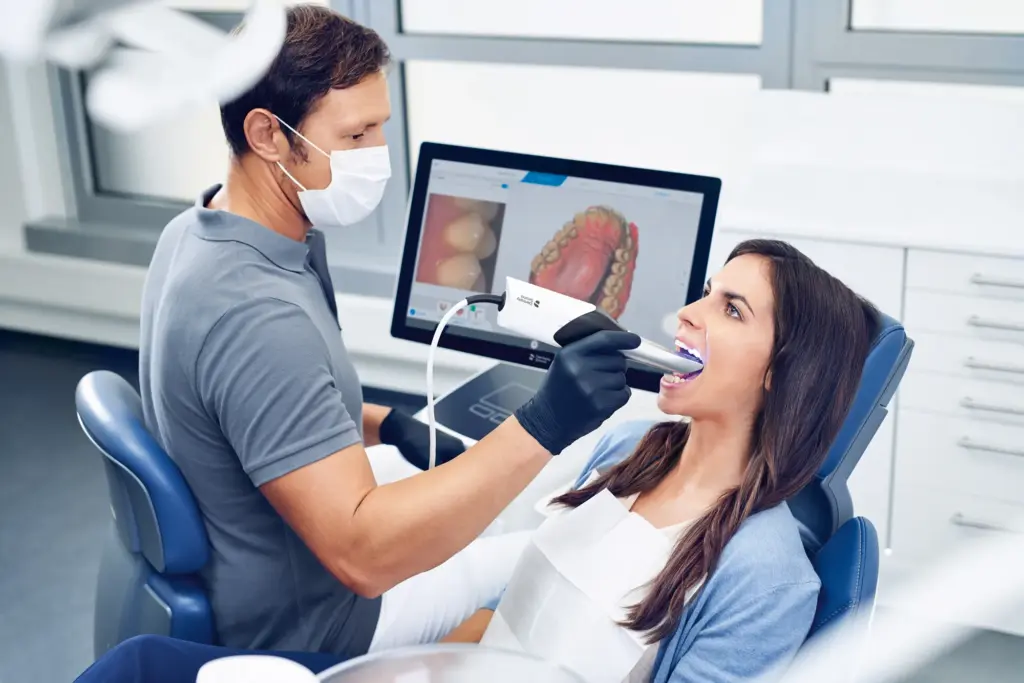
Digital dental impressions are detailed 3D models of the teeth and gums created with a handheld intraoral scanner. Instead of using trays filled with messy impression material, we move the scanner around your mouth to capture high-resolution images.
We use these files at Mavidenta to plan crowns, veneers, bridges, and complex implant surgeries with micron-level precision. This technology eliminates the gag reflex often associated with traditional moulds and allows us to send your data to our laboratory in seconds.
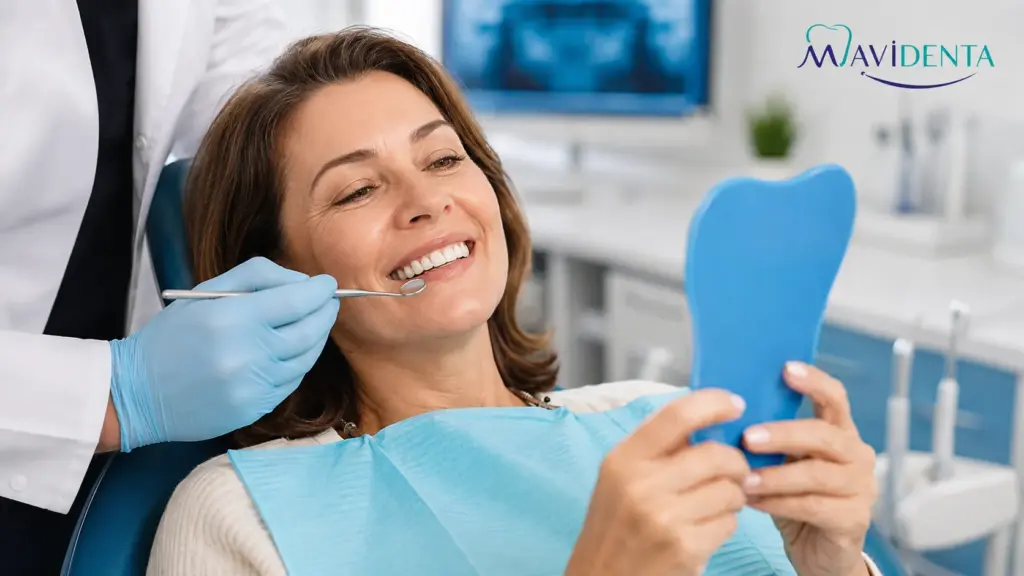
In our experience, patients appreciate the transparency of seeing their own dental anatomy on a screen before we even begin treatment. At Mavidenta, we have integrated these systems to ensure your restorations fit perfectly on the first attempt. If you are curious about how this technology can improve your specific case, feel free to reach out to our team for a free consultation via WhatsApp at +905534843641.
What Are Digital Dental Impressions?
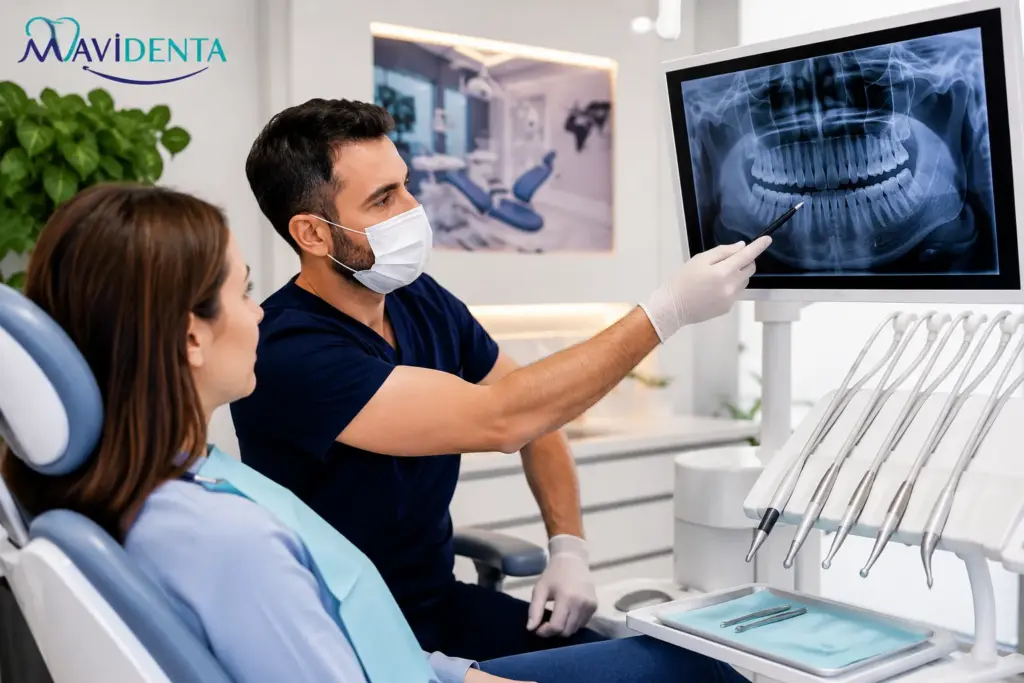
Digital impressions in dentistry represent a shift from physical materials to virtual data. While a traditional X-ray looks through the tooth to find decay or bone loss, an intraoral scanner captures the surface topography of the teeth and gingiva.
It is important to note that a digital dental scan does not use ionising radiation. It uses light, either laser or structured light, to stitch together thousands of tiny images into a comprehensive 3D dental model.
At Mavidenta, we use this data to ensure that a crown or veneer fits the margin of your natural tooth with no gaps for bacteria to enter.
How Do Digital Dental Impressions Work?
The process is methodical and designed for patients’ comfort. Our doctor, Dr. Özlem Yalçın, who has over 15 years of experience in aesthetic smile design, often notes that the preparation phase is just as vital as the scan itself.
Preparing the Mouth
Before scanning, we ensure the teeth are clean and dry. Moisture from saliva or blood can refract the light from the scanner, leading to “noise” in the data. We may use a small cheek retractor to keep the field clear and visible for the lens.
Scanning the Teeth and Gums
The doctor glides the intraoral scanner over the occlusal (biting) surfaces, then the lingual (tongue-side) and buccal (cheek-side) surfaces. The device captures the shape of the teeth and the texture of the soft tissue. We also ask you to bite down so the software can record your natural jaw alignment.
Creating the 3D Model
As the wand is moved, the 3D model builds in real-time on a monitor next to the dental chair. This allows us to inspect the “digital prep” immediately. If a specific corner of a tooth is unclear, we simply rescan that small area rather than starting the entire process over.
Sending the Scan to the Dental Laboratory
Once the scan is verified, we upload the file to our in-house lab or specialist partners. Because the file is digital, it works perfectly with CAD/CAM (Computer-Aided Design and Manufacturing) milling machines. This means your zirconium crown is carved from a solid block of material based on the exact dimensions of your scan.
What Are Digital Dental Impressions Used For?
We utilise digital impressions across almost every department at Mavidenta to increase the speed and quality of our work. Here’s why they are used for different treatments:
- Dental Crowns and Bridges: To ensure the bite is balanced and the fit is snug against the gum line.
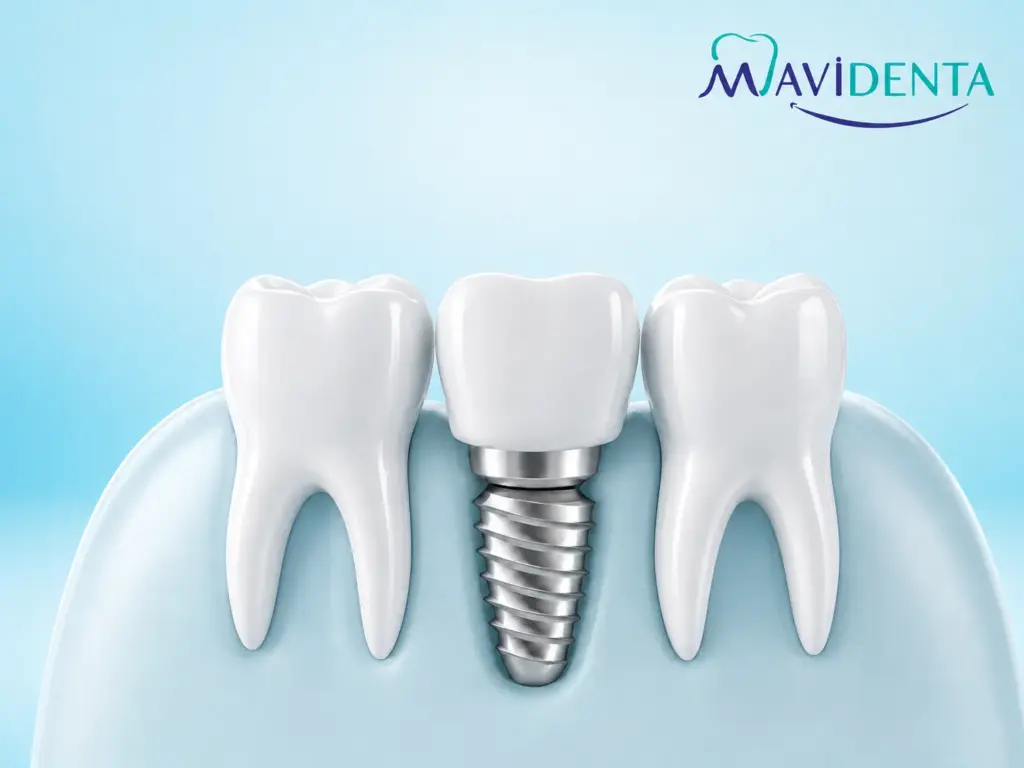
- Dental Implants: Dr. Ahmet Yıldız, our oral and maxillofacial surgery specialist, uses these scans to create surgical guides for precise implant placement.
- Veneers and Hollywood Smile: We use 3D scans to design the shape and symmetry of your new smile before any permanent changes are made.
- Clear Aligners: Digital scans are the foundation for orthodontic movements, allowing us to show you a simulation of your future straight teeth.
- Full-Mouth Restorations: For All-on-4 or All-on-6 cases, digital scans help us align the upper and lower arches perfectly.
Digital Impressions vs Traditional Impressions
Many patients ask us what the difference is between digital impressions and traditional ones. Well, here’s a quick comparison between the two:
| Factor | Digital Impressions | Traditional Impressions |
|---|---|---|
| Method | Handheld intraoral scanner | Metal/Plastic tray with putty |
| Patient Comfort | High; no gagging | Lower; can be uncomfortable |
| Turnaround Time | Instant electronic transfer | Requires shipping/courier |
| Accuracy | High (eliminates material shrinkage) | Good, but prone to human error |
| Adjustments | Instant rescan of small areas | Requires a full new impression |
| Waste | Minimal | High (plastic trays and silicone) |
Are Digital Dental Impressions More Accurate?
Clinical research, including studies published in the Journal of Prosthetic Dentistry (2021), suggests that digital impressions are as accurate as or more accurate than traditional methods for single-unit crowns and short-span bridges.
By eliminating the steps of mixing putty, waiting for it to set, and pouring stone models, we remove the variables where distortion usually happens. However, for full-arch implant cases, we sometimes combine digital scans with traditional verification jigs to ensure absolute passivity of the bridge. The accuracy depends heavily on the skill of the operator and the quality of the scanner. At Mavidenta, our 97.8% implant success rate is supported by this rigorous attention to detail.
Benefits of Digital Dental Impressions
- Patient Comfort: Most patients find the small wand much easier to tolerate than a tray of cold, wet silicone.
- Immediate Feedback: We can show you your teeth in high definition on a 4K screen, explaining your treatment needs more clearly.
- Efficiency: We save days in lab communication. What used to take a week in shipping now takes five minutes via the cloud.
- Sustainability: We significantly reduce the amount of disposable plastic and chemical impression materials used in the clinic.
Why Choose Turkey for Digital Dentistry?
Turkey, and specifically Istanbul, has become a global hub for advanced dental technology. At Mavidenta, we invest in the same Swiss and German hardware found in top London or Harley Street clinics, but our operational costs allow us to offer these treatments at a fraction of the price.
Cost Comparison (Average Prices)
The price difference between Turkey and the UK is significant; you can have savings between 50% and 70%, including the cost of travel, and you get a faster treatment with a travel experience as well. Here’s the expected price difference:
| Treatment Type | UK/Europe Price | Mavidenta (Turkey) Price |
|---|---|---|
| Single Zirconium Crown | £600 – £900 | £180 – £250 |
| Full Smile (20 Veneers) | £12,000 – £18,000 | £3,500 – £5,000 |
| Single Implant (Straumann) | £2,000 – £3,000 | £700 – £900 |
| All-on-4 Full Arch | £10,000 – £15,000 | £3,500 – £5,500 |
Is it safe to get dental treatment in Istanbul?
Safety is our primary metric. Mavidenta is a 7,000 square-meter specialist facility governed by the Turkish Ministry of Health and international sterilization protocols. We only use certified materials like Straumann, Nobel Biocare, and Medigma. Our implants come with a lifetime guarantee, and our crowns carry a 20-year warranty. We handle the logistics, including VIP transfers, hotel accommodation, and in-clinic translators, so you can focus on your recovery.
From First Message to Final Smile: A Mavidenta Patient Story
Robert, a 54-year-old engineer from Manchester, contacted us because he was tired of his failing upper bridge. He had a severe gag reflex and was terrified of the “goop” used for impressions.
The Contact: Robert sent us his X-ray via WhatsApp. Dr. Necat Aslan (PhD in Prosthodontics) reviewed the case and suggested a digital workflow to avoid traditional moulds.
The Assessment: Upon arrival at Mavidenta in Istanbul, Robert was met by his personal coordinator. We performed a 3D Tomography and a digital intraoral scan.
The Treatment: Robert needed two implants and a 4-unit bridge. During the scanning process, Robert had a moment of doubt, fearing he would gag even on the scanner wand. “I don’t think I can keep my mouth open long enough,” he told us. We explained that we could pause the scan every ten seconds to let him rest. We completed the scan in under four minutes with zero discomfort.
Recovery & Follow-up: Because the digital files were sent immediately to our lab, Robert’s permanent bridge was ready for a trial fit in just 48 hours.
The Result: Robert returned to Manchester with a functional, aesthetic bridge. He told us: “The best part wasn’t just the price; it was the fact that no one shoved a tray of clay into my throat. The technology made the whole thing feel controlled and professional.”
Conclusion
Digital dental impressions are not simply a more comfortable alternative to traditional putty moulds. They are the foundation of a clinical workflow that eliminates the variables where restorations fail and replaces them with micron-level data transferred to a laboratory in seconds.
The technology is the same as that found in Harley Street clinics. The operational costs are not. A single Zirconia crown at Mavidenta, produced through the same digital workflow, costs a fraction of the UK equivalent, with VIP transfers, hotel accommodation, and a 20-year warranty included.
If you are ready to experience dentistry that shows you the result before the treatment begins, contact our team via WhatsApp at +905534843641 for a free consultation.
Frequently Asked Questions
Are digital dental impressions painful?
No. There are no needles or sharp edges involved. The scanner tip is rounded and smooth. It gently glides over your teeth. If you have very sensitive teeth, the air used to dry the surface might cause a slight sensation, but we can manage this easily.
Do digital impressions use radiation?
No, digital intraoral scanners use light or laser technology to capture images. Unlike X-rays or CT scans, there is no ionising radiation involved, making it completely safe for repeated use, even for pregnant patients.
Can digital impressions replace traditional moulds?
In about 90% of cases, yes. They are excellent for crowns, veneers, and aligners. However, for certain types of removable dentures or very complex “all-on-x” cases, we may still use a combination of both to capture the exact movement of the soft tissues.
Are digital impressions suitable for dental implants?
Yes, they are highly effective. By using “scan bodies” (special markers attached to the implant), we can capture the exact 3D position and angle of an implant in the jawbone, which is crucial for the longevity of the final restoration.
Can a digital scan detect tooth decay?
While the primary purpose is to capture shape for restorations, many modern scanners use Near-Infrared Reflection or Imaging (NIRI) technology. This can help us spot enamel interproximal caries (decay between teeth) that might not be visible to the naked eye.
How accurate are digital dental impressions?
They are accurate to within approximately 20-50 microns. To put that in perspective, a human hair is about 70 microns thick. This level of precision ensures that the margins of your crowns are virtually seamless.
Start Your Digital Smile Design Today
Technology is only as good as the hands that hold it. At Mavidenta, we combine 3D scanning with the clinical expertise of doctors like Dr. Selin Kaya and Dr. Murat Demir to ensure your treatment is both biologically sound and aesthetically perfect.
If you are ready to experience dentistry without the discomfort of traditional moulds, we invite you to take the first step.
Contact Mavidenta Specialist Team:
- WhatsApp/Phone: +905534843641
- Clinic Location: Istanbul, Turkey
- Services: All-on-4, Veneers, Crowns, Digital Smile Design, and more.